What bridleless riding actually asks of you and why it matters for every ride
There is footage circulating from the British Bridleless Competition that does something to you when you watch it. The horses are soft, the riders are still, and the whole thing looks like a conversation rather than a performance. You watch it and feel something that is partly admiration and partly harder to name. Envy, maybe? Or the discomfort of being shown something you want and aren’t sure you have.
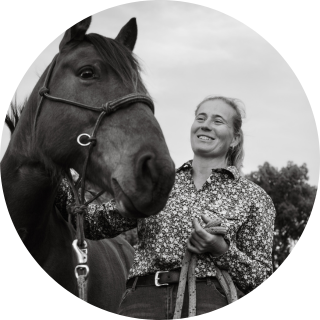
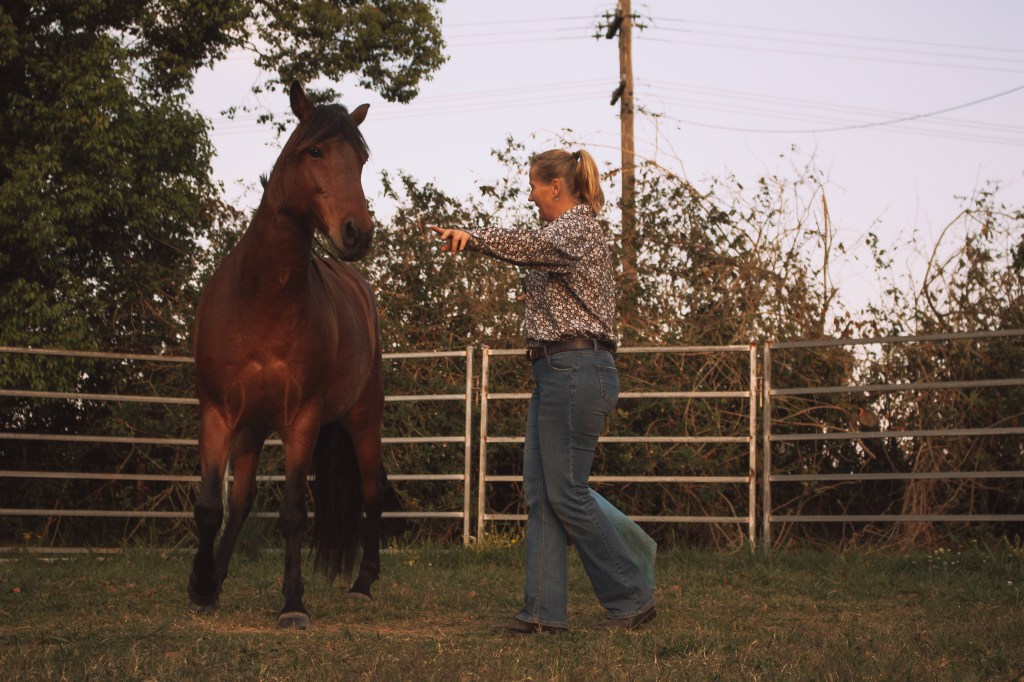
I watched it and then went out to try it with my pony. The horse I know best, the one I have the most history with. I took the bridle off. She walked in circles and did not respond, and I sat there and watched it happen. What I was watching was the relationship in its honest state. Not the trained version. The real one.
That was confronting. So I got a neck rope, taught pressure and release, and within a few minutes she was responding. And then I noticed what I was doing. The neck rope had become another tool to achieve compliance. I had just moved the problem sideways.
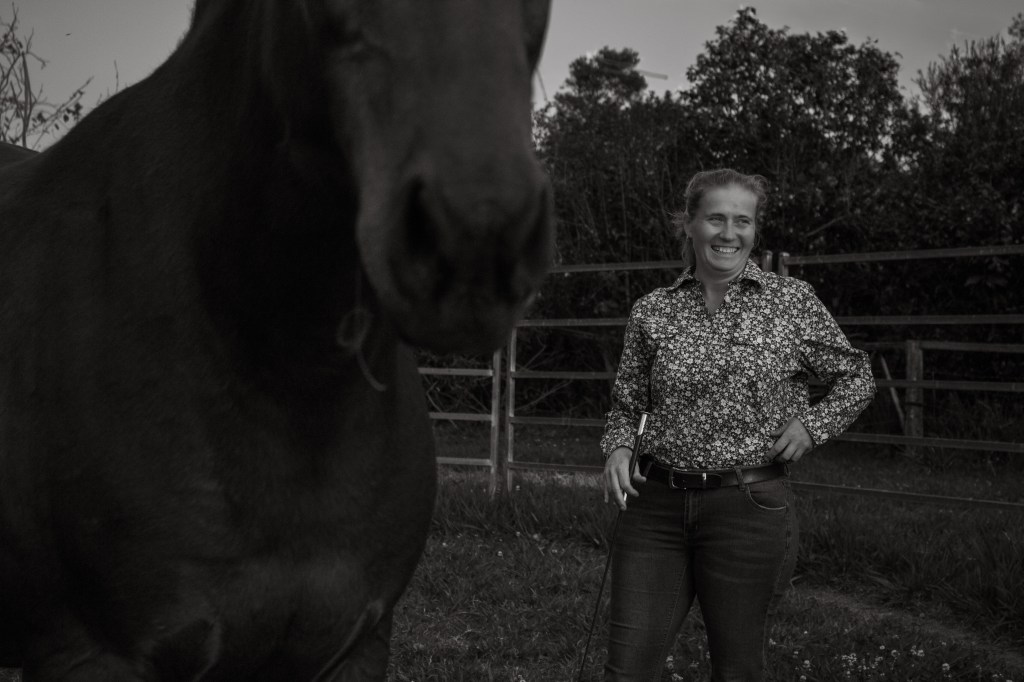
Without the bridle, you cannot coast. The horse shows you exactly where you are. That honesty is what people are responding to in that footage. Not the absence of equipment, but what becomes visible when the equipment is no longer there to obscure it.
But I want to push further, because I think the bridleless conversation is pointing at something bigger than tack.
We have gotten very good at measuring ethical horsemanship by what we can see from the outside. No bridle looks more connected than a bridle. Liberty looks freer than a rope halter. R+ looks kinder than pressure and release. And sometimes the aesthetics and the ethics do align. But not always.
A horse performing liberty hitting his marks for a food reward while his owner films it may have learned a very impressive set of tricks. That is not the same thing as relationship. A horse working in a double bridle with a rider who is fully present and honest in every ask may be in a deeper conversation than anything happening in that liberty video. Liberty can be a circus horse with good PR. R+ can be trick training with an ethical framework attached.
The absence of equipment does not mean the presence of relationship.
The thing that actually makes horsemanship ethical is invisible in a photograph. It lives in the intention you carry through the gate, the quality of attention you bring to the horse in front of you, the willingness to let the relationship be more important than the performance of it.
The riders at the British Bridleless Competition have almost certainly done that work. The softness in that footage is not an accident. It is the result of someone going deep into relationship with their horse over a long period of time, until the bridle became irrelevant because the connection was never living there in the first place. That is worth admiring and worth aspiring to.
What I don’t want is for people to watch that footage and decide the goal is to remove the bridle. To train toward bridleless as an endpoint without going deep into the relationship that makes it honest. Because then you are performing a version of connection rather than living inside one.
If you are genuinely in relationship with your horse, you will not reach for equipment that causes harm. The ethics take care of themselves when the presence is right. Which means every conversation that starts with the equipment is starting in the wrong place.
I went back to riding my pony in a bridle after that experiment and tried to bring the same quality of attention I’d had when there was nothing else to rely on. The ride was different. Not because of what was or wasn’t on her head. Because of what I was carrying into it.
It was never the bridle.
It was always about whether you are willing to let the horse show you the honest state of things, and stay in that without looking for somewhere easier to be.
What would change about your next ride if you stopped measuring it by what it looked like, and started measuring it by what it felt like from the inside?
Discover more from EquiKinder by Lisa Rothe
Subscribe to get the latest posts sent to your email.
