
In a digital era where screen time increasingly defines children’s activities, parents actively seek holistic solutions that enhance their children’s physical health, emotional resilience, and cognitive development. Horseback riding emerges as an exceptional activity, strengthening your child’s body, boosting their self-confidence, sharpening focus, and reducing anxiety simultaneously. Backed by scientific research, equine-assisted activities stand out as uniquely beneficial for child development. Let’s explore in detail how horseback riding serves as one of the most recommended developmental activities for children today, supporting physical, cognitive, emotional, and social growth.
- Physical Benefits
- Mental and Cognitive Benefits
- Emotional and Social Benefits
- Spiritual Benefits
- Therapeutic and Adaptive Riding
- Conclusion
Physical Benefits
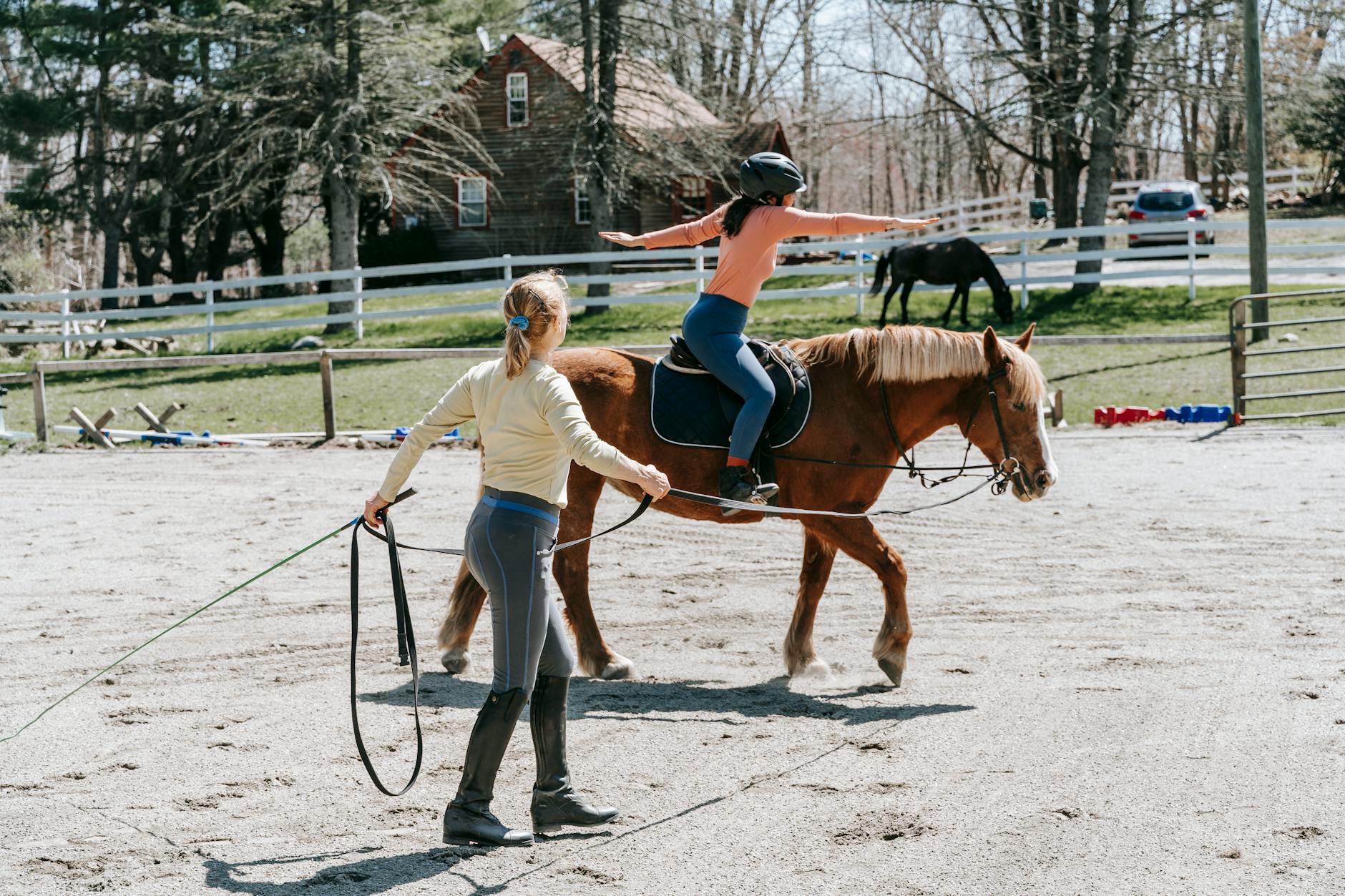
Children are spending more time on screens and less time being active, leading to issues like poor posture and weak muscles. Picture a child on a horse – engaged and using muscles in new ways. Horseback riding isn’t just fun; it’s a total workout that builds strength, coordination, and endurance more effectively than many sports. Let’s explore the physical benefits that make it a great exercise choice for kids.
Core Strength and Posture
Many sports build core strength, but horseback riding is uniquely effective because:
It is unpredictable. Unlike other sports, riding requires constant adjustment to the horse’s movements, leading to a functional, real-world strength application.
It activates deep stabilizing muscles. Like Pilates, riding targets hard-to-reach muscles that traditional strength training misses.
It promotes balanced muscle use. Many sports favor one side, causing imbalances. Horseback riding engages muscles evenly, boosting coordination and symmetry.
Riding a horse is a dynamic balancing act …
… that engages the rider’s core muscles. Unlike stationary exercises, riding requires constant micro-adjustments to remain upright, improving core stability, supporting spinal alignment, and enhancing overall postural control.
The horse’s three-dimensional motion is like human walking. It strengthens neuro-muscular connections more than regular exercises. A study in the Journal of Physical Therapy Science showed that therapeutic horseback riding improved postural balance and core strength in children with cerebral palsy, proving its effectiveness for developing trunk control and postural stability.
Core strength is important for children’s everyday activities. Horse riding promotes this through both passive and active muscle engagement as the child reacts to the horse’s movements while controlling their body.
Coordination and Motor Skills
Many sports enhance coordination, but horseback riding stands out because:
It requires multi-tasking. Unlike other sports with predictable movements, riding demands constant adaptation to a horse.
It engages the body. Horseback riding requires full coordination, building strength in overlooked areas.
It promotes muscle learning. The horse’s movement mimics a human walk, enhancing motor skills.
Horseback riding is a full-body coordination challenge …
Riders engage various muscle groups while managing the reins, posture, and balance. This enhances hand-eye coordination, fine motor skills, and proprioception, the body’s sense of position in space.
Horseback riding involves constant, unconscious adjustments. A rider must manage leg pressure, rein contact, and body position to communicate with the horse. These skills enhance coordination, important for writing, playing music, and daily tasks like tying shoes or buttoning a coat.
Riding is a fun way to improve coordination and dexterity by being responsive to the horse’s movements. It helps stimulate the vestibular system and aids children in developing balance, body awareness, and sensory skills, important for their growth.
Cardiovascular Health
Low-impact, high-reward exercise. Horse riding boosts endurance and heart health while minimizing stress on young joints.
Full-body engagement. Horse riding uses the body, offering a better fitness experience.
Engaging and motivating. Many children struggle to stay interested in sports. Horse riding feels like an adventure, encouraging longer participation and consistency.
Horse riding is a full-body cardiovascular workout …
Horse riding engages multiple muscle groups and requires core stability and controlled breathing, which strengthens the heart and lungs.
When a child rides a horse, their heart rate increases to aid balance and coordination. Research shows that kids who ride regularly exhibit better heart rate variability, indicating good heart health and improved endurance. Horseback riding is an excellent, joint-friendly exercise, beneficial for children with joint issues or those who dislike repetitive activities.
Horseback riding is a fun way to keep children active, promoting heart health and reducing obesity risk. It engages them mentally and physically as they interact with a living animal and make quick decisions, making it more exciting than regular exercises.
Mental and Cognitive Benefits

Children are struggling to focus and engage. With shorter attention spans and increased anxiety, parents seek ways to boost their cognitive skills. What if horse riding could improve focus, memory, and problem-solving while keeping them active? This activity stimulates the mind and encourages deep mental engagement in ways regular classrooms often don’t.
Enhanced Concentration & Executive Function
Horse riding demands continuous concentration throughout the session.
Horse riding promotes focus and problem-solving in a fun, relaxed setting.
Boosts emotional self-regulation. Many children struggle with impulse control, and the calm nature of horses helps riders develop patience.
Horse riding is a cognitive workout …
When in the saddle, a rider must manage various tasks, adapting to the horse’s movements, reacting to surroundings, and making quick decisions about speed and balance. This engages the brain’s prefrontal cortex, which oversees decision-making and focus.
Horseback riding requires active thinking, unlike passive activities like watching screens. Kids who ride horses have better memory and thinking skills. The horse’s rocking motion stimulates both sides of the brain, improving brain connections.
Horse riding helps children learn to focus and adapt by requiring them to:
- Stay focused while guiding the horse and following instructions.
- Process sensory inputs (touch, sound, and sight) simultaneously.
- React and adapt quickly, improving cognitive flexibility.
Problem-Solving Abilities
Needs quick changes based on an unpredictable partner.
Teaches real-world consequences and rewards.
Provides quick feedback that strengthens practical problem-solving skills.
Horseback riding is a real-time decision-making challenge …
Riders must assess situations, adapt to their horse’s movements, and adjust their actions. Unlike predictable activities, riding involves a partner that reacts to its environment, making each ride unique.
Riders face sudden events, like loud noises or terrain changes that require quick adjustments. These decisions enhance problem-solving skills and cognitive flexibility, helping the rider evaluate risks and change strategies.
Horse riding improves situational awareness and reaction time through active decision-making, teaching children to think ahead and trust their instincts.
Children often have decisions made for them. Horseback riding fosters independence by teaching them to evaluate situations and take responsibility for their actions.
By riding, children learn:
- Cause and effect. Pulling the reins too hard can make the horse stop suddenly, while relaxing too much can lead to loss of control.
- Confidence in decision-making. They build trust in their judgment through real-world experiences.
- Adaptive thinking. They learn to be flexible thinkers, adjusting their approaches based on the horse’s behavior and surrounding conditions.
Neuroplasticity & Learning
Horse riding involves moving and thinking, which makes it very engaging.
Horse riding needs ongoing multi-sensory involvement and quick adjustments.
Horseback riding improves the link between mind and body.
Horseback riding is a powerful brain-training activity …
… that enhances brain connections through movement and problem-solving. Riding improves neural links, boosting thinking skills and memory.
The movement of a horse stimulates various brain areas, similar to physical therapy. The horse’s three-dimensional gait mimics human walking and activates the vestibular system and motor control networks more effectively than static exercises. This full-body engagement enhances neural plasticity, allowing the brain to improve motor function and cognition over time.
Children’s brains are adaptable, allowing them to create new neural pathways during childhood. Riding a horse provides sensory feedback, helping children adjust and solve problems. These challenges improve:
- Cognitive flexibility – The ability to change thinking and adapt to new situations.
- Motor planning – The ability to coordinate movements in order.
- Working memory – The ability to keep and use information while doing a task.
Emotional and Social Benefits
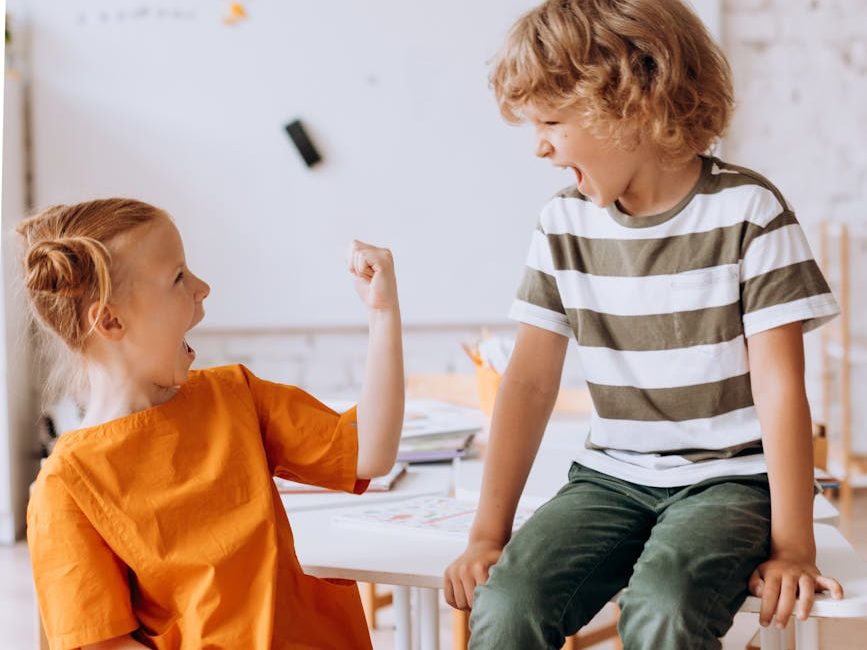
Children today face more stress and social pressures, prompting parents to find ways to enhance their emotional strength. While traditional therapies and team sports help, horseback riding uniquely fosters emotional growth, confidence, and self-awareness. How does the bond between a child and a horse provide these emotional benefits? Let’s explore the positive effects of interacting with horses on children’s emotional health.
Boosted Self-Esteem
Clear, measurable progress. Unlike team sports, horseback riding allows children to see their own progress, promoting growth.
Unconditional feedback. Horses respond to a rider’s cues, providing quick feedback that helps children improve their skills.
Emotional resilience training. Facing challenges like a strong-willed horse or getting back in the saddle builds perseverance and strength.
Horseback riding provides children with tangible achievements …
… that build confidence over time. Unlike other activities, riding shows clear progress, such as mastering a new gait or guiding their mount through obstacles. These successes help children feel capable.
The interaction with a horse is non-judgmental. Unlike in social situations where peer pressure can be intense, horses react to body language and energy instead of looks or popularity. This helps children, especially those with self-doubt or social anxiety, gain confidence in a supportive environment.
Many children, especially those who are shy or anxious, struggle in school and miss chances to succeed. Riding creates a bond between a child and a horse, helping them communicate, gain confidence, and achieve goals, which is vital for those who feel powerless in their lives.
Stress Reduction & Emotional Regulation
Immediate biofeedback. Horseback riding requires children to be aware of their emotions as a horse reacts to feelings.
Built-in relaxation through movement. While running and soccer can raise stress, a horse’s rhythmic, rocking motion stimulates the parasympathetic nervous system, promoting relaxation.
Stronger emotional connections. Team sports build friendships, but horseback riding forms bonds between child and horse, providing trust and companionship.
The interaction between child and horse is a profoundly calming experience, …
Being around horses can lower stress hormones and boost bonding hormones, promoting relaxation and emotional security.
Horse riding is unique for its calming rhythm that soothes the nervous system and provides gentle motions, aiding emotional balance. This makes it useful for people with anxiety, PTSD, and emotional issues.
Horses are sensitive to human feelings and provide cues for self-awareness. A rider must stay calm as the horse reflects their emotions, helping children learn to control feelings and build emotional strength.
In today’s busy world, many children face stress and emotional challenges. Horse riding provides a fun way for kids to practice mindfulness, enjoy positive sensory experiences, and gain emotional control.
Emotional Intelligence and Social Skills
Horse riding focuses on trust, teamwork, and respect between horse and rider.
Non-verbal communication. Horse riding helps children understand body language and emotions.
Horse riding encourages communication and building relationships in a fun setting.
Horseback riding provides a unique and natural environment for children to cultivate empathy, emotional awareness, and effective communication skills.
Developing Emotional Intelligence
Horses are perceptive animals that react to the rider’s emotions and body language, providing immediate feedback. If a child is tense, the horse reflects that stress; if calm and confident, the horse shows trust. This helps children learn how their emotions affect others and to manage their feelings.
Working with horses teaches patience and problem-solving. Riders must adapt based on their horse’s responses, enhancing emotional resilience.
Enhancing Social Skills
While horse riding may seem solo, it is very social. Riders interact with instructors and staff, gaining teamwork, cooperation, and leadership skills.
Group riding promotes:
- Confidence in social settings. Working with horses helps children build self-confidence, making it easier to engage socially.
- Clear communication. Riders must give clear signals to their horse, which improves their communication skills.
- Collaboration & teamwork. Tasks like grooming and tacking up need teamwork, promoting cooperation and shared responsibility.
Spiritual Benefits

In a distracting world, children struggle to be calm and self-aware. Parents seek ways to help them find inner peace. While meditation helps, horse riding offers a unique experience that fosters presence and bonds with nature. How does a child’s connection with a horse support their spiritual well-being? Let’s explore the impact of interacting with horses on a child’s inner world.
Connection with Nature
Horse riding involves connecting with a living creature, making nature feel more interactive and meaningful.
Horse riding involves sensory, physical, and emotional engagement, creating a valuable experience.
Horse riding lets children enjoy nature at their own pace, unlike competitive sports that emphasize speed and winning.
Horseback riding immerses children in expansive natural environments, …
… giving them a chance to appreciate the outdoors. Unlike organised sports, horseback riding encourages riders to connect with nature as part of their experience.
Riding through fields or trails helps children develop sensory awareness by noticing their surroundings. Having a horse enhances this experience, as horses can sense changes in the environment. This awareness encourages mindfulness.
Horse riding is a natural, screen-free activity that provides a break from distractions. Studies show that time outdoors with animals boosts mental well-being, reduces stress, and increases positive feelings.
In today’s tech-driven world, many kids lack time in nature, leading to anxiety and attention issues. Horse riding helps them connect with the natural world and:
- Promote physical activity outside of formal sports. Horse riding encourages movement in nature.
- Develop environmental awareness. Learning about a horse’s habitat helps children appreciate the care needed for its well-being and fosters respect for nature.
- Boost mental clarity and relaxation. Spending time in nature while riding helps lower stress and improves emotional balance.
Mindfulness and Presence
Horse riding combines movement and focus actively, unlike traditional mindfulness exercises requiring stillness.
Horse riding is engaging and needs ongoing adjustment and awareness.
Many children struggle with passive mindfulness exercises, but riding provides an engaging way to practice mindfulness.
Horseback riding is a unique form of moving meditation, …
Riding requires full focus and attention to the horse’s movements. Its smooth, steady gait creates a calming effect that aligns with the rider’s breath, promoting mindfulness.
When riding, children focus on their balance, the horse’s movements, and their surroundings. This feedback promotes emotional control, patience, and awareness, which are vital for mindfulness. Studies show that mindfulness equine programs enhance emotional regulation, resilience, and mental clarity, particularly for children facing anxiety or difficulty concentrating.
In today’s busy world, many children struggle to focus and be aware of their feelings. Digital distractions make it hard to concentrate, manage stress, and process emotions. Horseback riding helps them practice mindfulness by:
- Reinforcing patience and adaptability. Horses need calm communication. Children learn to manage frustration and stay steady.
- Promoting breath control and relaxation. Riders learn to match their breathing with the horse’s movement, which helps calm the nervous system.
- Promoting sensory awareness. Feeling the horse’s movement and listening to sounds improve body awareness and perception.
Therapeutic and Adaptive Riding

Therapeutic or adaptive riding includes equine-assisted activities for individuals with physical, cognitive, emotional, or developmental disabilities. Types vary, such as Hippotherapy with licensed therapists and adaptive riding that focuses on specific skills. Equine-facilitated psychotherapy combines mental health methods with horse interactions to address emotional or behavioural issues, making the benefits of horse riding accessible to everyone.
Conclusion
Horse riding is more than just a sport; it’s an activity that promotes growth in children: physically, mentally, emotionally, socially, and spiritually. It builds resilience, boosts emotional intelligence, strengthens the body, and fosters mindfulness. If you’re seeking an activity that supports your child’s well-being, horseback riding may be the perfect choice. Connect with us to learn more about its benefits, or share your thoughts in the comments. We’d love to hear from you!

Written by Lisa I Founder of EquiKinder (with the help of AI) – Safely Guiding Young Riders Every Step of the Way.
Discover more from EquiKinder by Lisa Rothe
Subscribe to get the latest posts sent to your email.
