Ever Felt Like Your Horse is Ignoring You?
You squeeze, cluck, or tap, but your horse won’t move forward. Frustrating, right? Many riders struggle with a horse that refuses to go forward. The key isn’t to kick harder, it’s to change how you communicate. In this guide, we’ll cover simple horse training techniques to help your horse respond willingly.
The truth is: Your horse isn’t lazy. It’s either confused, shut down, or lacking confidence.
This post will teach you how to rebuild communication, shift your mindset, and use energy instead of force to get your horse moving willingly.
Why Won’t My Horse Move Forward?
Instead of assuming your horse is lazy, ask yourself these questions:
- Is my horse shut down because it has tuned out due to repeated, ignored aids?
- Is my horse confused because it’s receiving mixed signals from me?
- Is my horse lacking confidence because it’s afraid to move forward under the saddle?
Horses are energy-efficient animals, but they are never naturally lazy. If your horse isn’t responding, it means there’s a disconnect. Your job is to fix the communication, not increase the pressure.
Understanding Energy, Feel, and Timing
Before we dive into the exercises, remember this: The right mindset is more important than any technique.
Horses don’t respond to mechanics alone. They respond to energy, timing, presence and intent. These exercises will help, but true progress comes from learning to communicate with feel rather than just following steps.
Energy & Feel
Think of energy as something that grows from within. When you breathe in, your energy expands, like a brightening halo. When you breathe out, your energy settles.
Feel is the ability to sense your horse’s smallest response and adjust accordingly.
Timing
Timing is everything. In the beginning, you need to release at the smallest signs (an ear flick, a shift in weight) so your horse learns to trust again that you are listening.
Presence & Awareness
Without presence, you can’t feel or time your release or reward correctly. Being in the moment and aware of your horse’s smallest signals is essential.
Intent & Mindset
Your intent shapes the way your horse experiences your cues. We are not here to force or punish a horse into submission, but rather to build a connection based on trust and understanding.
Approach each exercise with wonder and curiosity rather than control. Every interaction should come from a loving, patient place. When your intent is clear and kind, your horse will begin to trust the conversation and seek to engage with you rather than resist.
At first, this might feel a bit awkward, and you may second-guess if you’re doing it right, but don’t let that stop you! Your horse will appreciate your effort, just as you should appreciate their smallest try, even if it’s far from perfect. Over time, as you both learn to listen and adjust, your communication will become effortless and natural.
Exercises to Get Your Horse Moving Forward
Groundwork Exercise: Leading with Purpose
Before fixing things under saddle, we need to ask: Is my horse responsive on the ground? If the answer is no, that’s where we start.
Goal
- Teach your horse to respond to your energy, not tools (halter, whip, or voice).
- Be able to walk, trot, stop, and back up with only body language.

How to Do It: Step-by-Step
Set Up: Stand next to your horse at their shoulder or head, holding the lead rope lightly. Keep your posture relaxed but engaged, facing forward with soft eyes.
Engage Your Energy: Take a deep breath in, feeling yourself grow taller and more present. Imagine your energy expanding around you, like a halo brightening.
Ask for Movement: Without pulling the rope, shift your weight forward and step out with purpose. Your body language should invite the horse to follow you rather than forcing them.
Reward the Smallest Try: The moment your horse gives any sign of response (an ear flick, an eye shift, or even a weight shift) soften your energy and pause. This teaches them that even a small effort is noticed and rewarded.
Build on the Movement: Repeat until your horse moves forward freely and willingly. Once they are comfortable, gradually increase the ask by inviting them into a trot using your energy. The horse will start to match your energy. Big energy will create a big response.
Ask for the Halt: Once your horse is moving freely, gradually reduce your energy. Take a deep breath out, soften your posture, and slow your steps while keeping your focus forward. If your horse doesn’t stop, do not pull on the lead rope. Instead, use a training whip as an energy barrier in front of your horse’s head. Slowly raise the whip and let your energy indicate a stop. This should not be a sudden movement, but rather a controlled, calm ‘blocking’ energy that signals the horse to pause. The goal is for your horse to recognize the shift in your energy. It should stop naturally without needing strong physical cues.
Backing Up with Energy: To ask for a backup, stay facing forward. Begin walking backward. Allow your belly button to create a drawing energy that invites the horse to follow. Shift your energy slightly backward. Use your whip as a guiding tool, if needed. Your horse should respond by stepping back. The key here is to release at the smallest try, even if they just shift their weight back initially. Over time, this will refine into a soft and fluid movement.
Extra Challenge: Liberty Work
Once your horse is consistently responding on the lead rope, challenge yourself by trying these exercises at liberty. Can your horse follow your energy without any physical connection? This is the ultimate test of your communication and feel!
💡Trainer Tip
Try this exercise with the saddle on to ensure your horse is confident moving forward while tacked up. Then shift your position to stand near the girth area rather than at the front of the horse. This allows the horse to connect to your energy from behind, just as they would when you’re riding. The goal is for your horse to move forward independently, feeling your intent rather than being physically guided. This helps bridge the gap between groundwork and under-saddle work.
Riding Exercise: Riding with Energy & Feel
Now that your horse understands energy on the ground, it’s time to translate that to riding. The goal? No nagging. No kicking. No forcing.
Goal
- Teach your horse to move forward off your energy and seat, rather than relying on leg cues or stronger aids.
- Develop a light and responsive horse who holds the gait without constant nagging.
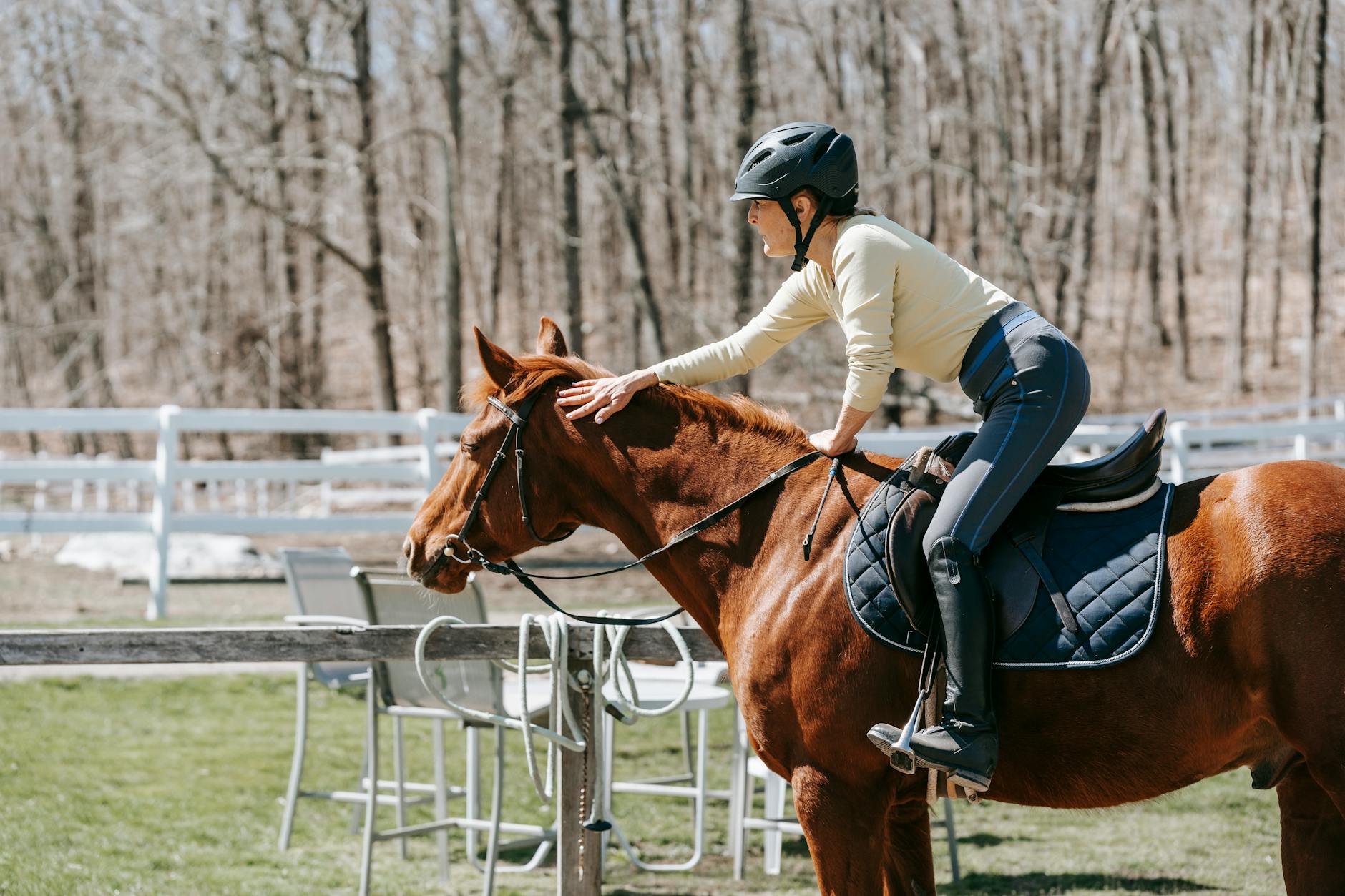
How to Do It: Step-by-Step
Set Up: Begin on a long rein. I prefer a simple rope halter. This allows your horse to feel free and prevents you from using your reins and giving mixed signals.
Engage Your Energy: Sit tall in the saddle and imagine someone gently lifting you by your ears. Take a deep breath in, growing your energy like an expanding halo, preparing your horse for movement.
Ask for Forward Movement: Shift your weight slightly forward, allowing your energy to flow forward as well.
Reward the Smallest Try: The moment your horse gives any sign of response (an ear flick, an eye shift, or even a weight shift) soften your energy and pause. This teaches them that even a small effort is noticed and rewarded.
Build on the Movement: Repeat until your horse moves forward freely and willingly. Once they are comfortable, gradually increase the ask by inviting them into a trot and canter using your energy. The horse will start to match your energy. Big energy will create a big response.
Maintain the Forward Motion: Once your horse moves forward, allow them to continue without constantly cueing. Your goal is for them to hold the gait without needing repeated leg aids. If the horse slows down on their own, repeat the process.
Extra Challenge: Experimenting with Energy in Transitions
Now that your horse is responding to your energy, take it a step further! Try adjusting your energy to influence both transitions between gaits and speed within gaits.
Transitions Between Gaits: Use your breath, posture, and energy to move smoothly between walk, trot, and canter. Breathe in and expand your energy to ask for an upward transition. Breathe out and soften to encourage a downward transition.
Adjusting Speed Within Gaits: Without using your reins or legs, experiment with increasing or decreasing your horse’s speed within the walk, trot, or canter by adjusting your energy. Grow taller and lift your energy to move more forward; relax and sink into the saddle to slow down.
💡Trainer Tip
If you want your horse to move freely forward, you need to make sure you’re not blocking their movement with your seat. If you grip with your legs, hold tension in your body, or lose your balance, your horse will hesitate or resist. Focus on developing an independent seat. Stay balanced, relaxed, and go with the horse’s movement. Ride with softness and confidence. Your horse can then move forward without restriction. It responds to your energy rather than force. This is about teaching lightness, not just getting movement.
Want to develop an independent seat? Check out EquiKinder’s Training Scale: A Structured Approach to Riding
Troubleshooting
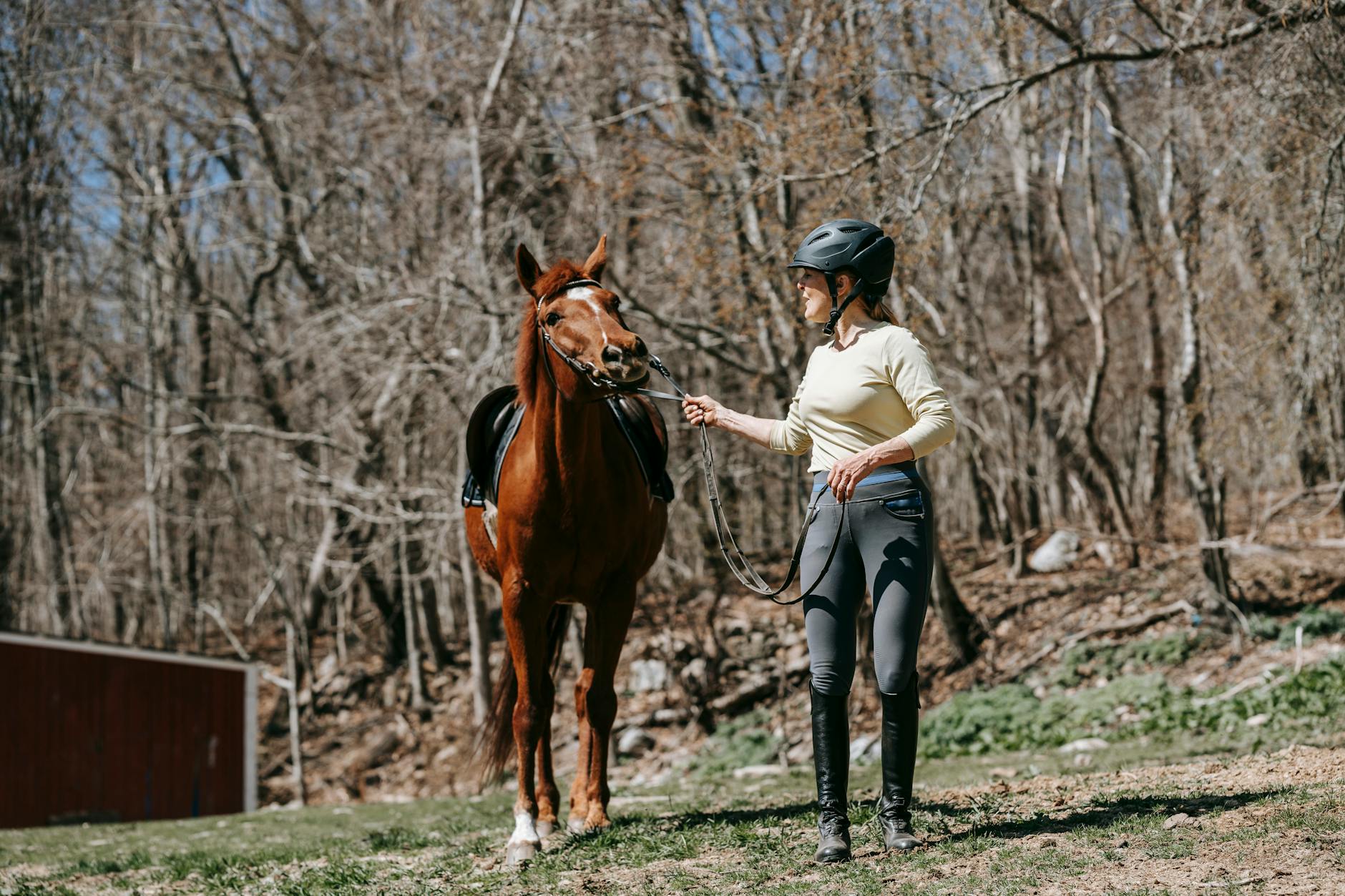
My Horse Is Stubborn And Still Won’t Move Forward
Even with the right approach, there will be moments when your horse doesn’t respond the way you expect. Instead of getting frustrated, pause and assess what’s happening. This applies to both groundwork and under saddle.
One of the biggest mistakes riders make is rushing the process. The goal of these exercises isn’t just to get your horse moving. It’s to help them think and rebuild trust in your aids. If you increase pressure too quickly, your horse won’t have the chance to figure it out, and the exercise becomes pointless.
Slow it down. Seriously, do everything 10 times slower than you think you should.
Give your cue, then count to three in your head before doing anything else. You might be surprised. Your horse may actually respond, just slower than you expected. That slow reaction is your starting point. From there, work on refining their response time gradually instead of just adding more pressure.
Two Ways to Encourage Responsiveness
Rhythmic Pressure
Instead of escalating aids, use a steady, predictable rhythm to encourage movement. This could be a light cluck, tap, or leg cue given in a metronomic pattern. The key is consistency without increasing intensity. The rhythm creates a clear expectation, giving the horse time to process and respond. If your horse remains unresponsive, reassess your timing and release at the smallest try to reinforce responsiveness.
Surprise Wake-up Call
This technique is useful for horses that have become completely shut down. Those who have learned to tune out pressure and ignore cues altogether. They aren’t being defiant. They’ve simply stopped engaging in the conversation.
Instead of gradually increasing pressure (which often reinforces their dullness), the goal is to create a moment that shifts their awareness just enough to reopen the conversation.
Here’s how it works:
- Deliver an unexpected cue. This could be a single cluck, tap, or even a small movement that is just different enough to make the horse notice.
- Make sure the cue isn’t directed at them. It works best when they don’t associate it with you directly. It should feel like something external just happened, making them think: “Whoa, what was that?”
- Gauge their reaction. The key is to find the right energy level. We want to wake them up without overwhelming them. If they remain unresponsive, you might need slightly more energy. If they react too strongly, dial it back next time.
- Go right back to a light ask. The key is to reset immediately and return to your soft cue, reinforcing the idea that light communication matters.
This is not punishment. It’s a moment of clarity for the horse. The goal isn’t to startle or frighten them but to reignite their awareness and engagement in the conversation.
Most importantly: If your horse even gives the smallest try, reward immediately. This isn’t just about getting them to respond to light cues. It’s about showing them that you’re paying attention.
Horses naturally tune in to their environment and herd members. When they’ve shut down, they may not trust the human to understand. This technique reminds them that you are listening, aware, and part of the conversation again. Over time, they’ll stay engaged without needing this reset at all.
My Horse Did It Yesterday – Why Not Today?
Work With The Horse You Have Today
Just because your horse backed up off your energy yesterday doesn’t mean they’ll do it today. Some days, you may need to start from the very beginning. Don’t be disheartened. Your horse will quickly pick up on what they’ve learned before. The foundation will keep getting stronger over time.
For these exercises to truly work, they must become a regular part of your interactions with your horse. Horses learn through repetition and consistency, so it’s important to practice these exercises frequently rather than expecting instant results. Every time you handle your horse on the ground and under the saddle, you are reinforcing habits.
However, don’t get hung up on perfection. Avoid over-repeating an exercise. Doing too much of the same thing can create boredom and dullness in your horse. Instead, challenge both yourself and your horse by setting achievable tasks that build responsiveness.
For example: If your horse is responsive enough to walk on and transition into a trot, check if they can trot on from a halt by growing your energy.
Assess where you are at in each session.
Ask yourself: What is an achievable next step? Where is my horse’s threshold today? Learning to gauge this will help you refine your timing and feel.
My Horse is Getting Naughty
When you start listening more and shift from force to communication, your horse will start “talking back.” This is actually a GOOD sign! It means they finally feel safe enough to express themselves. This can sometimes look like frustration (pinning ears, turning away), but it can also show up in softer ways, like nudging you or becoming more interactive. The key is to recognize this as communication, not defiance. Do not punish your horse! Stay patient, clear, and confident in your ask, and guide your horse toward understanding.
How to Handle It:
- Stay confident and clear about what you’re asking.
- Break things down into smaller steps.
- Set clear boundaries without punishment and redirect unsafe behaviour.
- If needed, get professional help to work through it.
Can You Notice the Smallest Try?
Next time you work with your horse, pay attention to their smallest sign of communication. Was it an ear flick? A shift in weight?
Comment below: What was your horse’s first tiny sign of response?
The Key Takeaways
- Your horse isn’t lazy. They’re not ignoring you to be difficult. They just don’t understand what you want yet. Your job isn’t to push harder but to communicate better. When you get clear, your horse will respond. When you shift your focus from forcing movement to creating clarity, your horse will respond willingly.
- Your energy is your biggest tool. Your horse doesn’t need a whip or spurs. They need to feel your intention. Ride with confidence, breathe with purpose, and let your energy guide the movement. Over time, your horse will start to trust your intention. They will naturally begin to match your energy. Bigger energy will create bigger responses. Calm energy will invite relaxation.
- Keep practicing. It gets easier! This isn’t about one perfect session. Every time you work with your horse, you’re building a language with your horse. Be patient, stay consistent, and celebrate small improvements.

Now it’s your turn! Go try this with your horse! Pay attention to the little signs, stay relaxed, and have fun experimenting with your energy.
Ready to take this further? If you have questions or want to share your progress, reach out. I’d love to hear how it’s going and help you and your horse succeed!
Get more expert training guides and step-by-step exercises.
Written by Lisa I Founder of EquiKinder (with the help of AI) – Safely Guiding Young Riders Every Step of the Way.
Discover more from EquiKinder by Lisa Rothe
Subscribe to get the latest posts sent to your email.
