Recognising your horse’s try builds trust and confidence. When you reward curiosity instead of perfection, trust grows naturally. Learn how EquiKinder’s gentle, feel-based approach helps horses build confidence through softness, timing, and understanding. 💜
Category Archives: Blog Posts
Settling the Debate: Should You Train Your Horse with Food Rewards or Pressure & Release?

R⁺ vs. R⁻: Which is better for training horses?
It’s one of the most heated debates in horsemanship today.
In this post, I unpack why this debate often misses the bigger picture, how each method can backfire (or shine), and why your horse’s perception matters more than your loyalty to one method. If you’ve ever wondered whether you’re “doing it right,” or if you’re tired of this debate, this piece will help you reframe the conversation – for the benefit of the horse, not our egos.
When Curiosity Gets Cancelled: Reflections on Social Media, Horsemanship, and Missed Opportunities

When a clinic I hoped to attend was cancelled after debate over bitless riding and “true collection,” it left me thinking. Was this really about collection – or just about how we define it? And what do we lose when social media outrage replaces real dialogue?
Why Are Off-the-Track Thoroughbreds Crooked? Understanding OTTB Asymmetry and How to Fix It
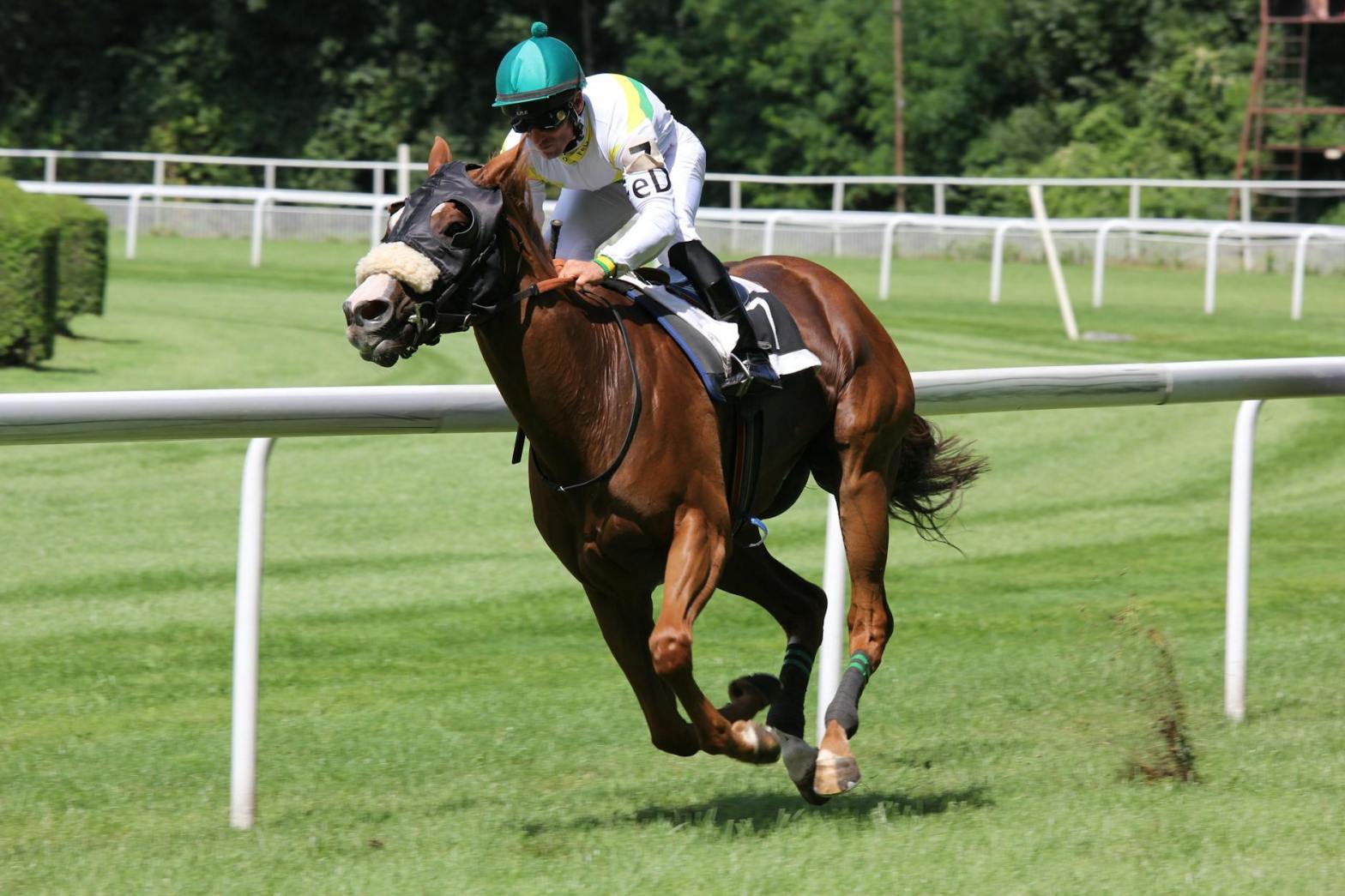
Discover why off-the-track Thoroughbreds (OTTBs) are crooked, how to assess their asymmetry, and 5 proven exercises to restore balance.
Why I Share Full, Unedited Horse Training Sessions – and Why You Should Watch Them

Discover why full, unedited horse training sessions are the best way to learn timing, feel, and connection with real examples you can apply.
Red Flags in Riding Instructors: What Every Parent and Teen Should Know

Because how we treat riders is just as important as how we treat horses. When “Just Do It” Doesn’t Feel Right There’s a moment many riders remember: when something felt off, but they went along with it anyway. Maybe they were nervous. Maybe the horse was, too. But the trainer said, “Just do it.” SoContinueContinue reading “Red Flags in Riding Instructors: What Every Parent and Teen Should Know”
Anchored Attunement: Finding Balance in a Divided Horsemanship World
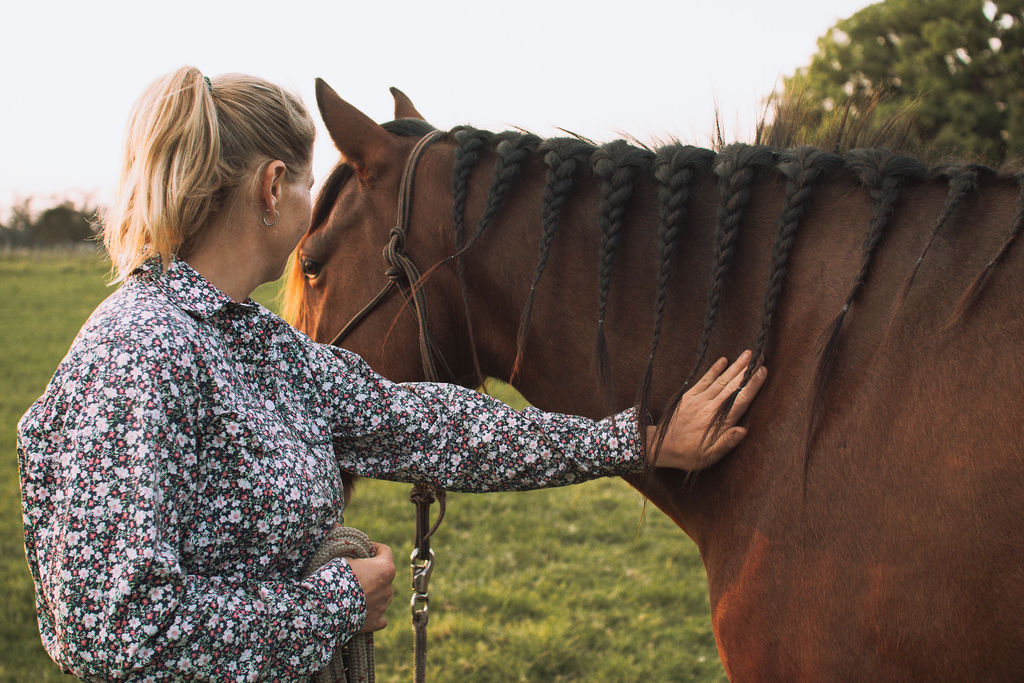
Anchored Attunement is the heart of my horsemanship philosophy – a balance of calm leadership and emotional presence. In this post, I explore how I found my way through the noise of competing styles and built a grounded, flexible approach based on congruence, curiosity, and connection.
Raising Resilient Children in a Modern World: The Transformative Benefits of Horse Riding

In a digital era where screen time increasingly defines children’s activities, parents actively seek holistic solutions that enhance their children’s physical health, emotional resilience, and cognitive development. Horseback riding emerges as an exceptional activity, strengthening your child’s body, boosting their self-confidence, sharpening focus, and reducing anxiety simultaneously. Backed by scientific research, equine-assisted activities stand outContinueContinue reading “Raising Resilient Children in a Modern World: The Transformative Benefits of Horse Riding”
How to Get a Horse to Move Forward: Training for Responsiveness
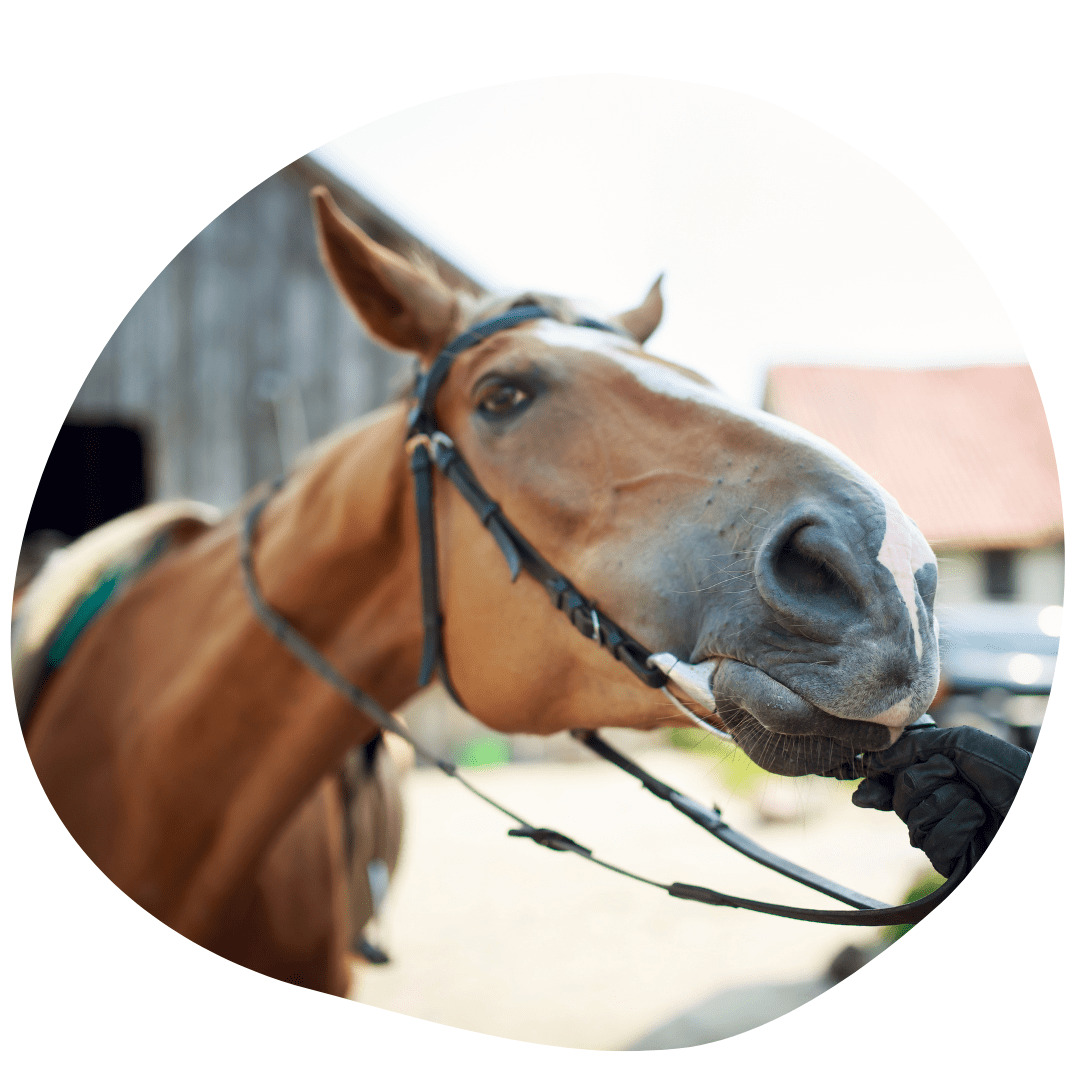
Photo by Barbara Olsen on Pexels.com Ever Felt Like Your Horse is Ignoring You? You squeeze, cluck, or tap, but your horse won’t move forward. Frustrating, right? Many riders struggle with a horse that refuses to go forward. The key isn’t to kick harder, it’s to change how you communicate. In this guide, we’ll coverContinueContinue reading “How to Get a Horse to Move Forward: Training for Responsiveness”
EquiKinder’s Training Scale: A Structured Approach to Riding
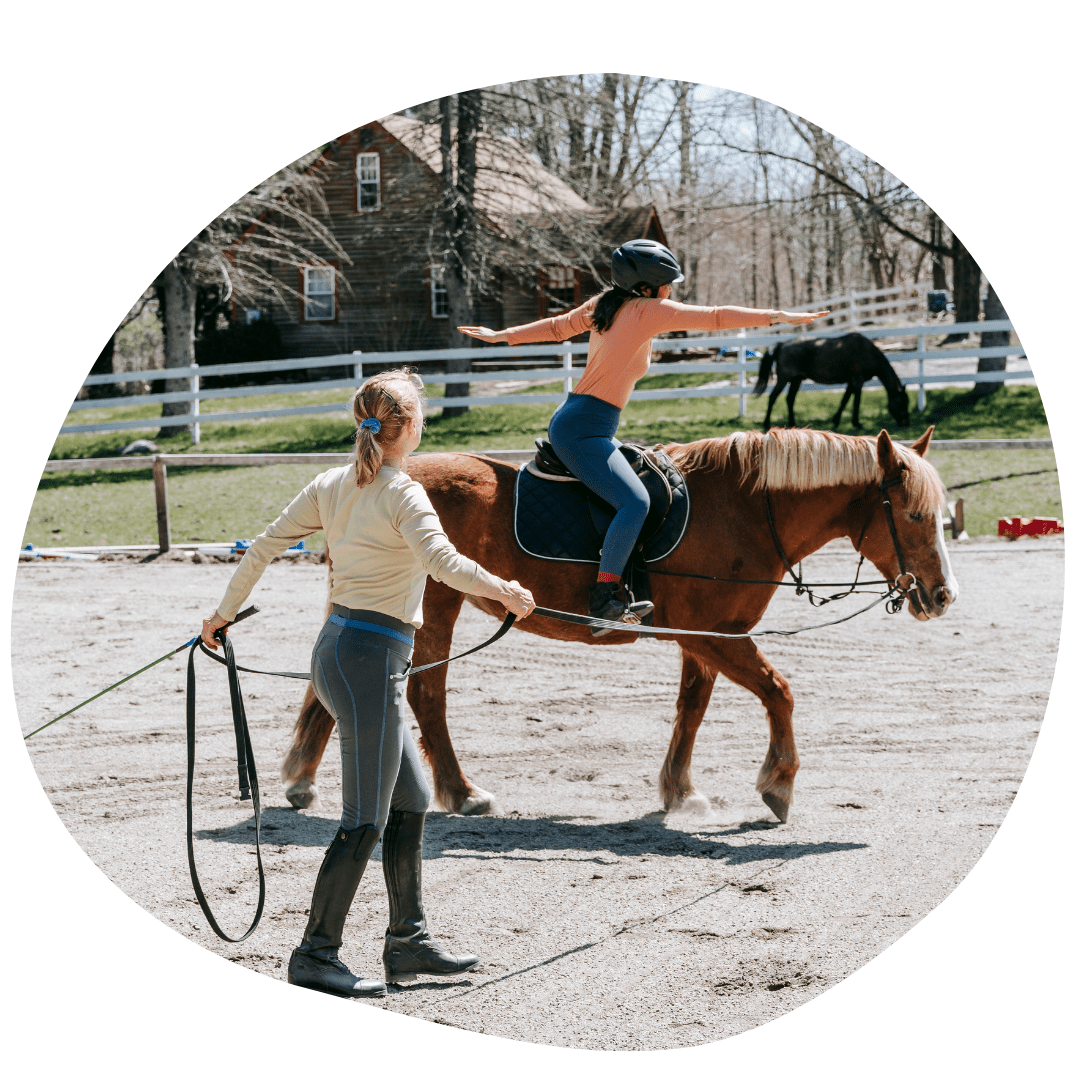
★★★★★ When it comes to teaching children and teens to ride, riding itself is just one piece of the puzzle. At EquiKinder, we believe that true horsemanship starts with understanding, connection, and feel, not just technique. To help young riders develop into confident, capable equestrians, we follow a structured training scale. A step-by-step approach thatContinueContinue reading “EquiKinder’s Training Scale: A Structured Approach to Riding”
