Discover what the EquiKinder Toolkit is all about: a flexible, horse-centred approach that gives you practical tools - not rigid methods - to communicate, build trust, and train with intention. Click to explore how this toolkit can support you and your horse.
From Trust to Partnership: The Three Pillars of Horsemanship

True partnership with a horse isn’t created through technique alone. It grows through a sequence of trust, leadership, and shared understanding. This post breaks down the three pillars that shape every great horsemanship journey and why the order matters more than we realise.
Dodge’s Story: Preparing a Horse (and Human) for the Farrier
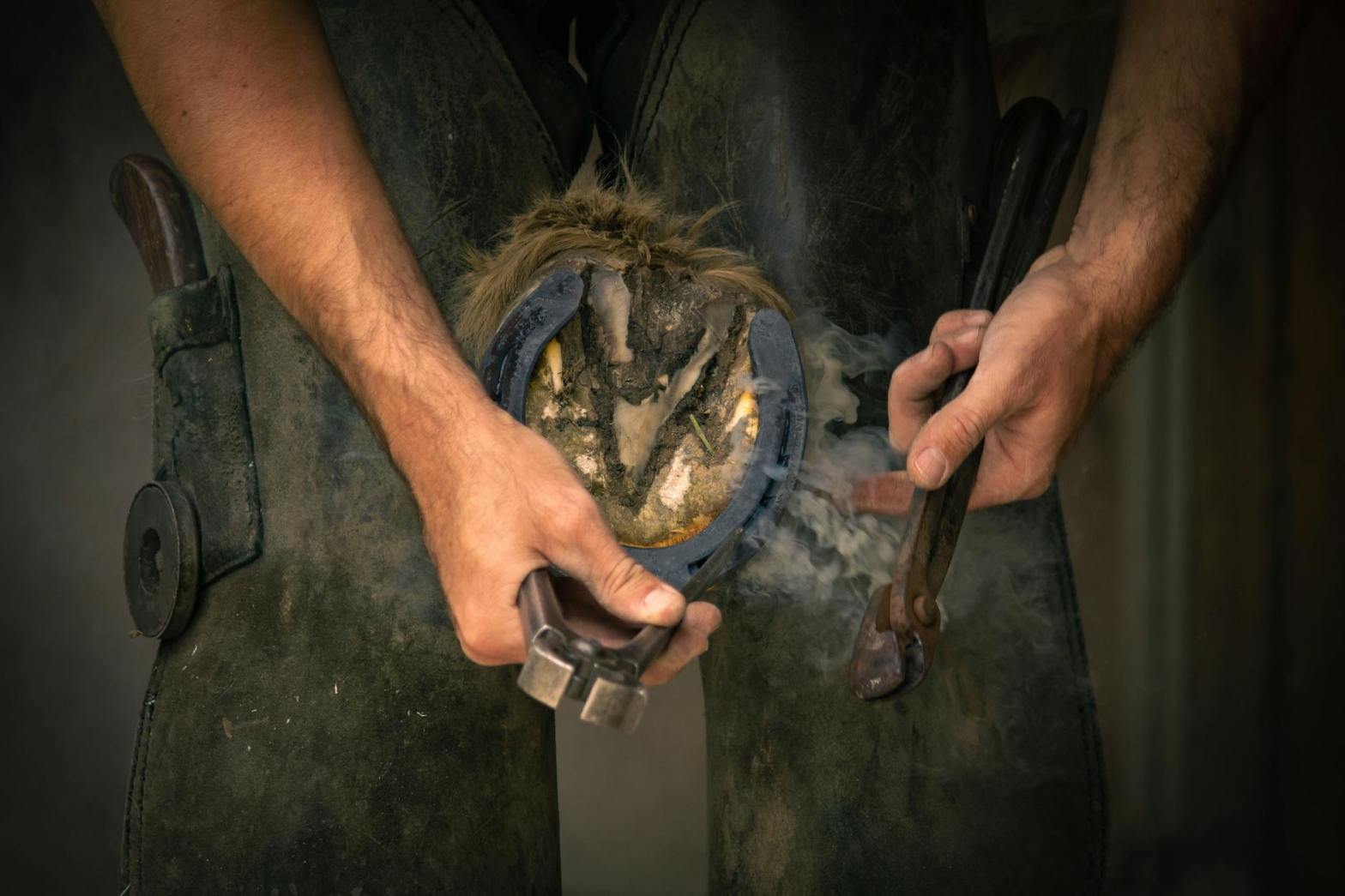
Learn how Dodge overcame farrier fear through trust, balance, and groundwork. A gentle, practical approach for calmer, safer farrier visits with your horse.
Anchored Attunement: Finding Balance in a Divided Horsemanship World
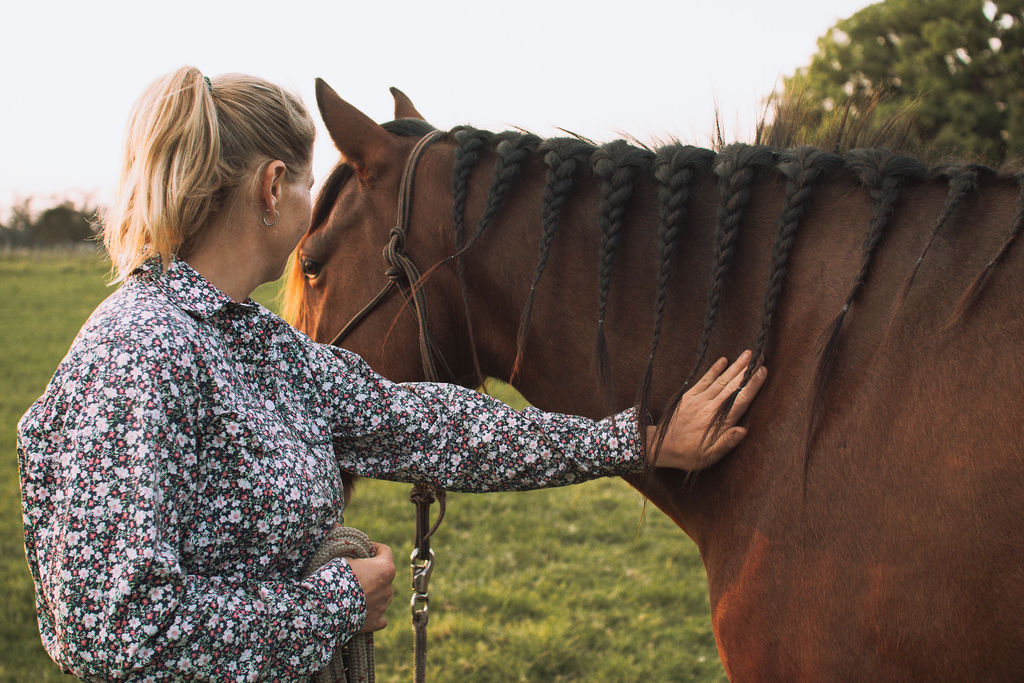
Anchored Attunement is the heart of my horsemanship philosophy - a balance of calm leadership and emotional presence. In this post, I explore how I found my way through the noise of competing styles and built a grounded, flexible approach based on congruence, curiosity, and connection.
Loretta & Arlo
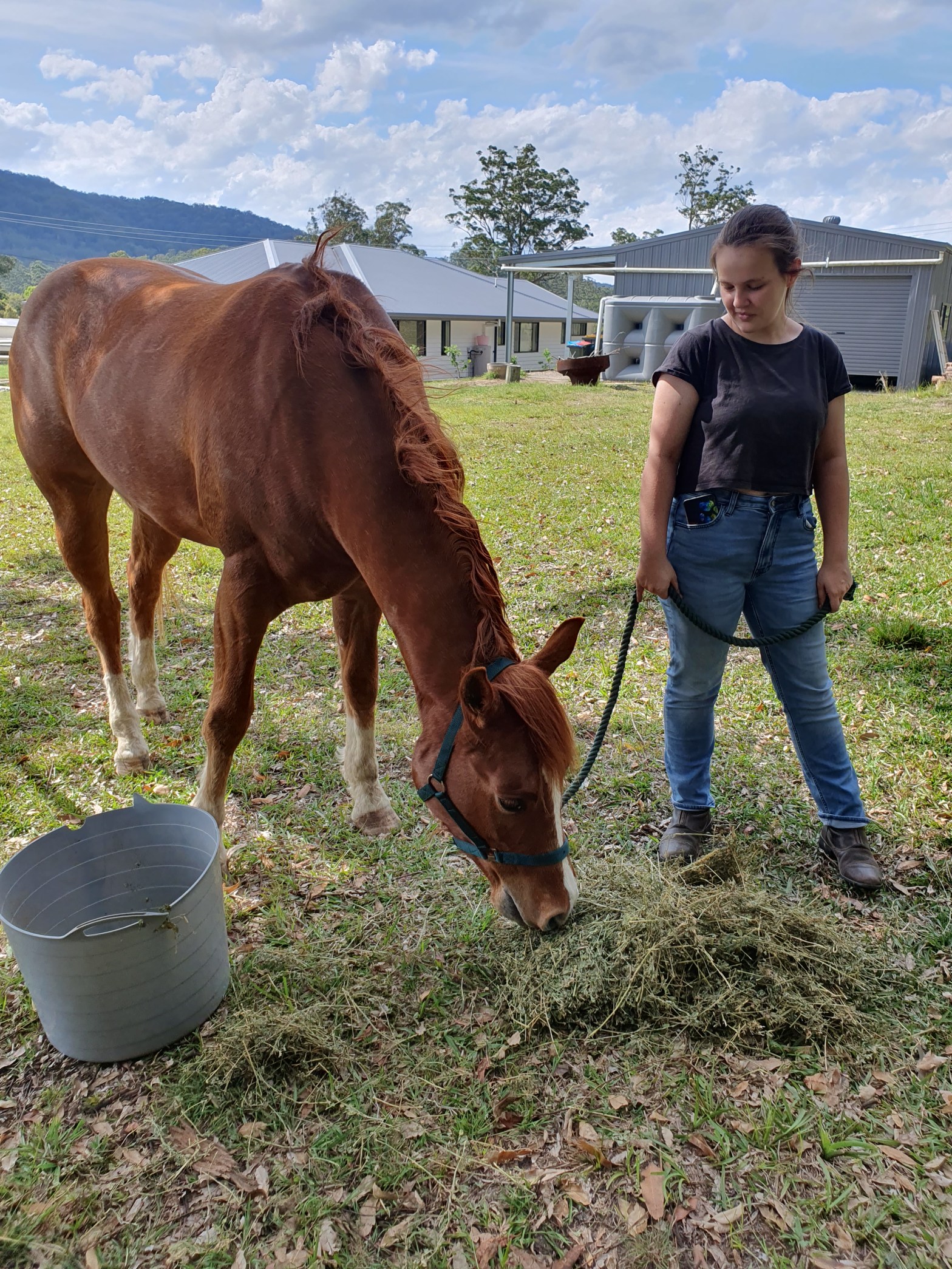
★★★★★ “From the first session Lisa had our pushy gelding respecting personal space and gave us the tools to keep ourselves safe, teaching us how to enforce boundaries and give us back some confidence. We invited Lisa to come back for weekly sessions to teach us ground work and correct areas where we had createdContinue reading "Loretta & Arlo"
Pressure & Release: The First Tool in Your ToolKit
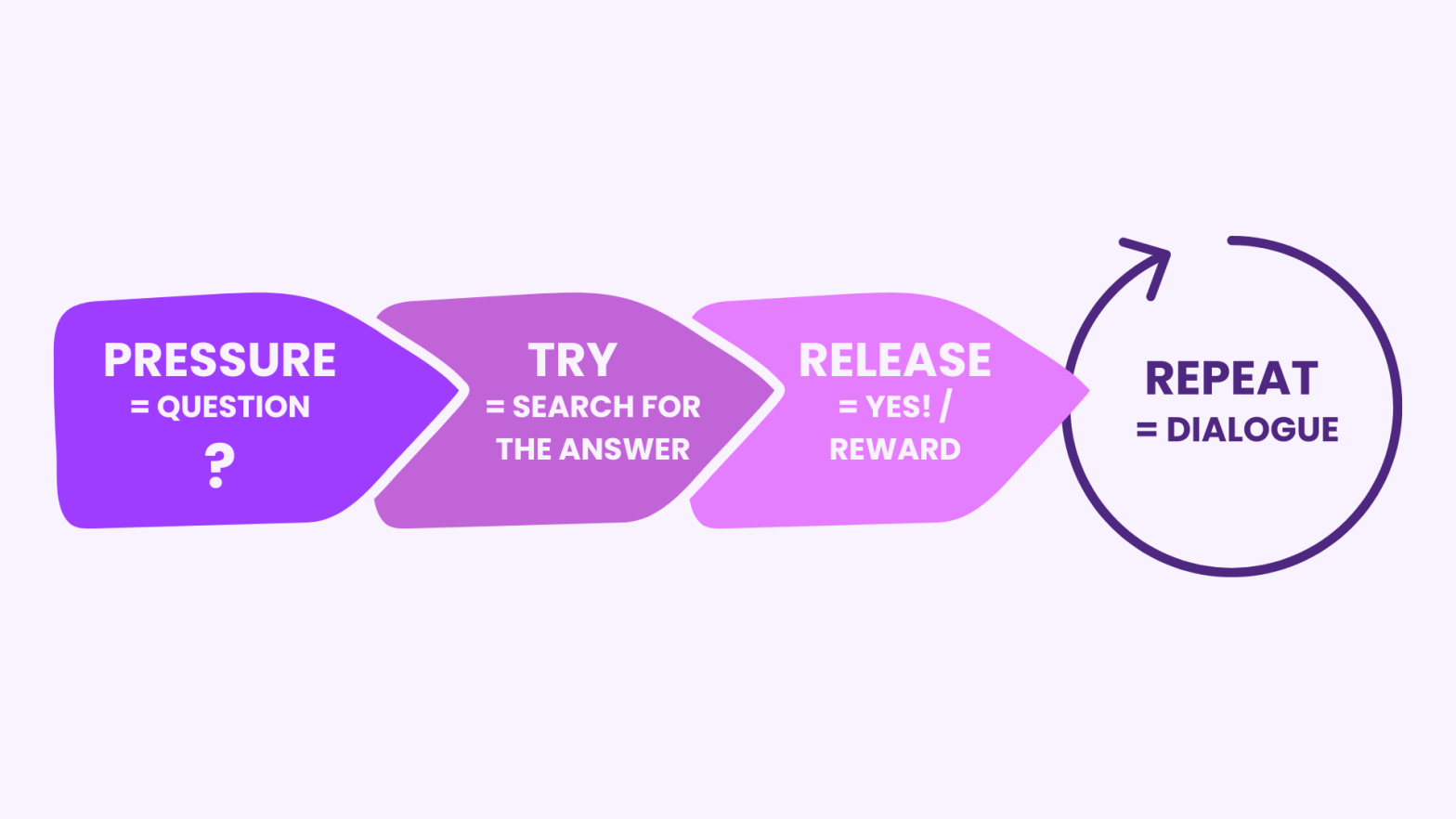
The foundation tool of horsemanship: pressure = the question, release = the reward. Learn how to ask clearly, spot the try, and build soft, willing responses instead of resistance. Perfect for improving timing, communication, and trust with any horse.
Rethinking Trailer Loading: Training an Anxious Horse

Trailer loading isn’t always about the trailer. It’s about how safe a horse feels when pressure shows up. In this two-part training series, I work with an anxious horse in real time, slowing everything down to rebuild trust, clarity, and willingness without force, tricks, or shortcuts.
Akila – Session 3

Starting an Untouched Colt https://youtu.be/Vn-_MXwo7rI In this episode, I take you inside the real, honest process of helping a young horse learn to relax, think, and trust - long before we ever ask for “training.” This session with Akila captures the heart of foundation training: slow steps, clear communication, and meeting a young horse exactlyContinue reading "Akila – Session 3"
The First Five Minutes: Why Your Horse’s Emotional State Matters More Than the Training Plan

Your horse’s emotional state determines the quality of your training. When you learn to read subtle signs, regulate early, and rebuild trust throughout the session, everything changes. This post explores why the first five minutes matter and how supporting your horse’s mind creates softness, willingness, and true connection.
Helping a Reactive OTTB Stay Calm on the Trail
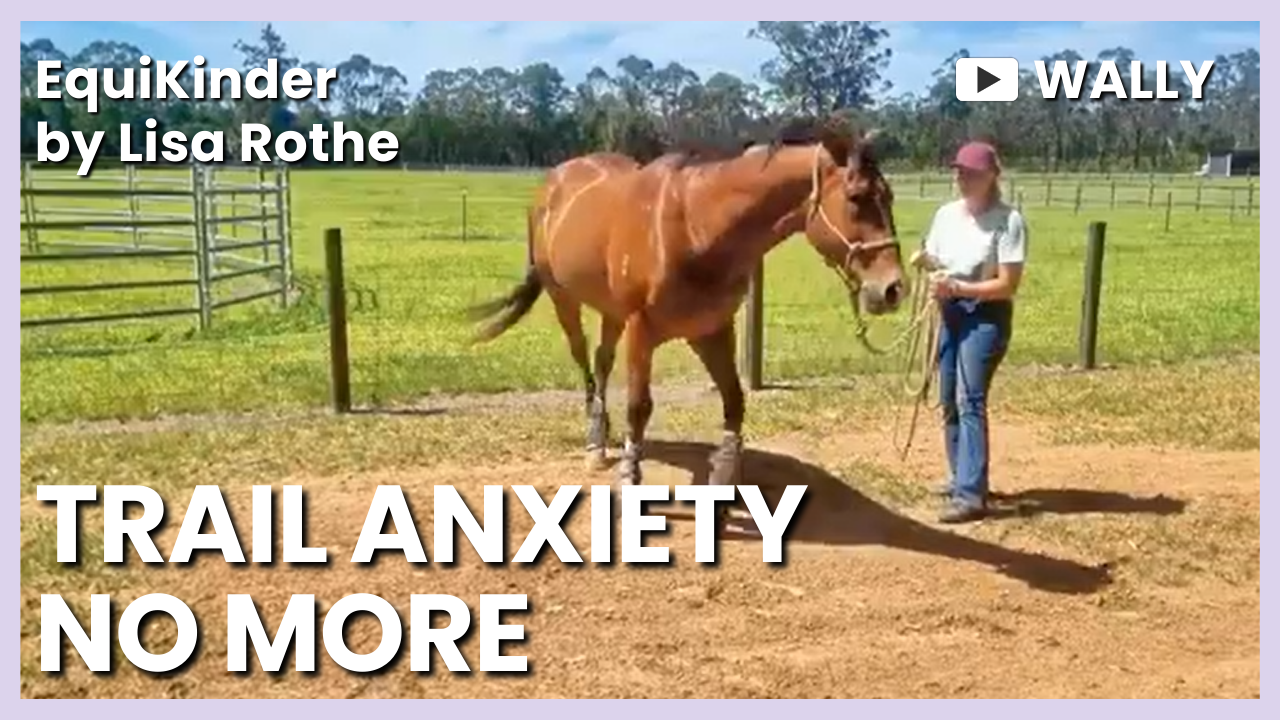
Wally - Part 1 of 2 https://youtu.be/mq_-bq8Cj0U Wally - Part 2 of 2 https://youtu.be/Wv-6WxofTVQ Some horses don’t just hesitate when asked to leave home - they unravel! Wally, an 11-year-old OTTB, was overwhelmed the moment he stepped away from the herd, spinning, bolting, and unable to regulate his worry. This session shows what can changeContinue reading "Helping a Reactive OTTB Stay Calm on the Trail"
Posture as a Symptom, Not a Cause
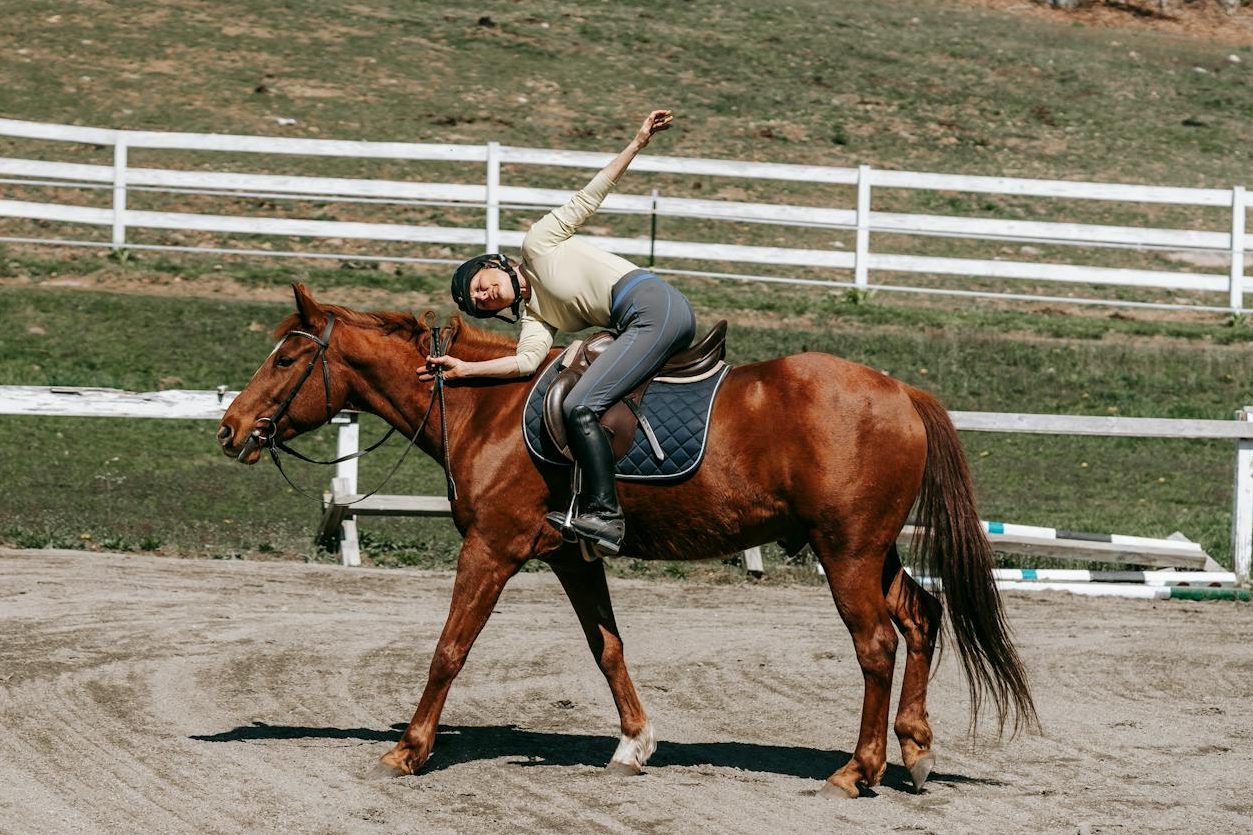
Posture isn’t the problem. It’s the symptom. Both horses and humans hold tension as compensation for imbalance. When we correct shape without understanding the cause, we create resistance instead of release. True alignment comes from strength, balance, and trust - built from the inside out.
Akila – Session 2

Starting an Untouched Colt https://youtu.be/uDqc_RhHIXI Working with a sensitive yearling is never about “getting the halter on.” It’s about earning the kind of trust where a young horse chooses connection over instinct. In this session with Akila, we move through freeze, hesitation, curiosity, and finally a soft, genuine willingness. This episode is a slow, honestContinue reading "Akila – Session 2"
