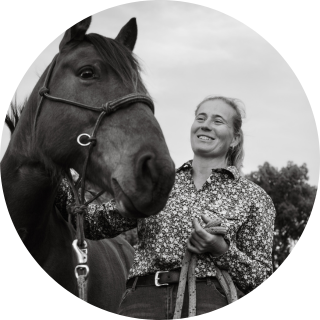
Every horse speaks long before they “act out.” The trick is learning to listen to the whispers – the subtle shifts in breath, the slight hesitation, the quiet tension that comes before the bigger reaction.
But listening doesn’t mean stopping at every “no.” It means recognising why that “no” is there and knowing how to guide your horse through it safely.
There’s a growing idea in the horsemanship world that a horse should always have the right to decline. And while I deeply respect where that comes from – awareness, empathy, and choice – I’ve also seen it taken too far. If we never help horses through the hard stuff, we can leave them unprepared, unsafe, and uncertain in the moments that matter most.
Listening Doesn’t Mean Losing Leadership
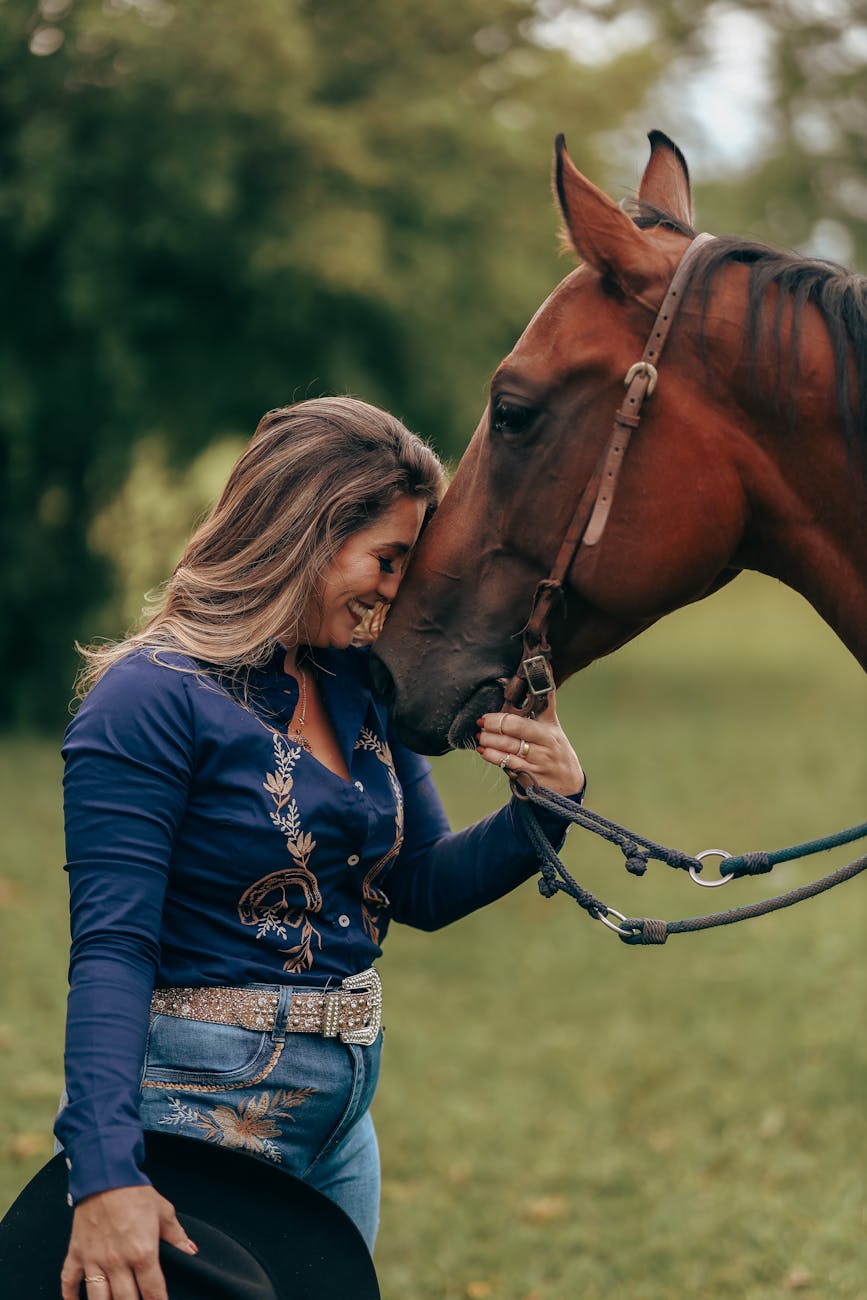
Listening is powerful, but so is leading.
When a horse says “no,” our job isn’t to walk away. It’s to pause, understand the reason behind the hesitation, and then make a plan to move forward together.
True leadership means guiding through fear without adding force. It’s about saying, “I see you. I understand you. Let’s do this safely.”
This balance – awareness without avoidance, leadership without domination – is where real trust grows.
Reading the Silent Cues
Most horses communicate their discomfort well before they explode or shut down. It’s just easy to miss if we’re focused only on the task.
Here are a few signs that your horse might be telling you something:
- A tightening through the muzzle or eyes
- Holding their breath
- Leaning away from your space or the pressure
- A delayed or partial response
- Repetitive licking, blinking, or pawing that doesn’t feel like release
These aren’t moments to abandon the session. They’re information.
When we notice early, we can soften, adjust our timing, or break the task down into smaller, safer steps.
The goal isn’t to remove all pressure. It’s to help the horse find release through understanding, not through avoidance.
When to Pause vs. When to Guide Through
There’s an art to knowing when to stop and when to continue.
If your horse’s “no” feels rooted in fear, pain, or confusion – pause. Get curious. Remove the pressure long enough to observe what’s really happening.
If the “no” is hesitation – an “I’m not sure I can” rather than an “I won’t” – that’s your moment to step in as a calm guide. This is where confidence is built.
Leadership isn’t about proving your horse wrong; it’s about helping them discover they can.
Trailer Loading and the Floods
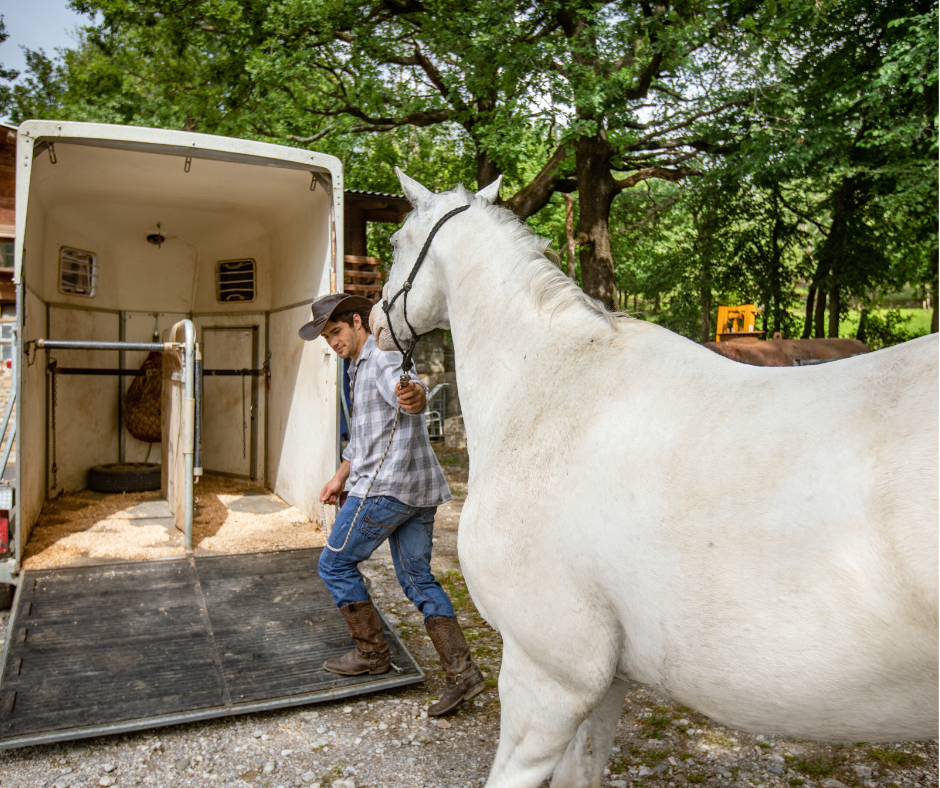
When the floods hit earlier this year, we had to move several horses to higher ground. It was an emergency. The kind of moment that exposes exactly what kind of trust and leadership you’ve built with your horse.
During loading, there were plenty of “no’s.” Small hesitations. Moments where they’d look away or stop at the ramp. Each time, instead of backing off completely or forcing them in, we’d guide them through – steady rhythm, clear intention, pressure that released the instant they stepped forward.
Those micro-moments mattered. When it counted, those horses trusted the process and us as leaders.
But here’s the important part: Trust and leadership is built long before you need it.
Guiding With Trust, Not Forcing Compliance
Horses don’t need us to avoid every challenge. They need us to help them through challenge safely.
When they hesitate, they’re not testing you; they’re asking, “Can I trust you here?”
If you meet that question with calm consistency instead of frustration or retreat, they’ll start saying “yes” more often.
This is the heart of horsemanship: the dance between awareness and action.
The more we notice, the better we can guide.
The Takeaway
Real listening isn’t passive. It’s active awareness.
It’s recognising discomfort early, adjusting your approach, and then guiding forward with clarity and compassion.
The horses that grow in confidence aren’t the ones shielded from difficulty. They’re the ones who’ve been shown, gently and consistently, that they’re safe enough to try.
If you’re helping your horse find that balance between comfort and courage, you’re already practicing calm, conscious leadership – the EquiKinder way. 💜
If your horse’s “no” moments have left you wondering what they’re really trying to say, you’re not alone.
Join a free meet-and-greet in the Mid North Coast (NSW) to explore how subtle communication can turn resistance into trust and hesitation into confidence.
EquiKinder by Lisa Rothe – Where Horsemanship Meets Personal Growth
Have Any Questions?
Join our monthly Q&As
Discover more from EquiKinder by Lisa Rothe
Subscribe to get the latest posts sent to your email.
