You’ve put in the time, shown up consistently, and done all the “right” things. But your horse still won’t stand at the mounting block, still drifts off during groundwork, still feels tense under saddle.
When training suddenly stops working, it’s easy to assume your horse is being stubborn or that you’ve somehow failed. But often, a “training problem” is really a communication problem. Your horse is trying to tell you something, and you just haven’t understood the message yet.
Let’s explore what’s really happening beneath the surface when training fails and how listening differently can change everything.
The Myth of the “Naughty Horse”
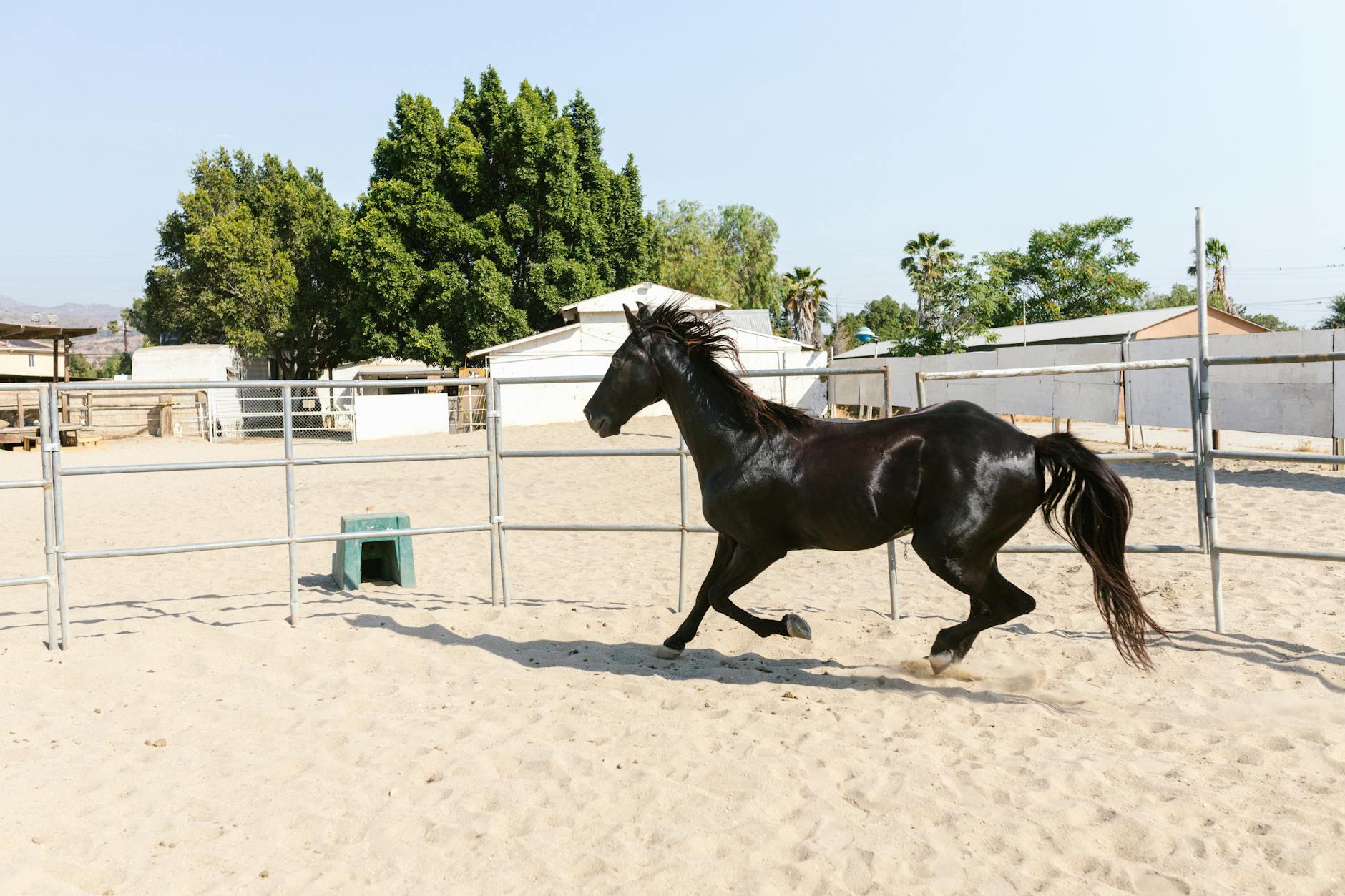
It’s one of the biggest myths in the horse world: that resistance equals rebellion.
We’re quick to label horses as lazy, pushy, or disrespectful when, in truth, most are just confused, anxious, or uncomfortable.
Every horse has a reason for their behaviour.
- The horse who rushes forward might be anxious.
- The one who freezes may be overwhelmed.
- The one who pins their ears might be trying to escape pressure that feels too strong or too constant.
When we shift from judging to curious observation, we start to see behaviour as communication. Your horse isn’t giving you a hard time. They’re having a hard time.
When the Message Gets Lost
Horses don’t understand our goals, but they’re experts at reading our energy, consistency, and emotion.
When training fails, it’s often because the message has become inconsistent:
- Sometimes we ask with tension, sometimes with calm.
- Sometimes we reward quickly, sometimes too late.
- Sometimes we push through discomfort, hoping for progress.
But horses thrive on predictability. Inconsistent cues create confusion, which can easily become tension or shutdown.
At EquiKinder, I teach that the first step in rebuilding communication is to pause and listen.
Ask yourself:
“What might my horse be feeling right now – not just doing?”
Listening Kept Us Safe
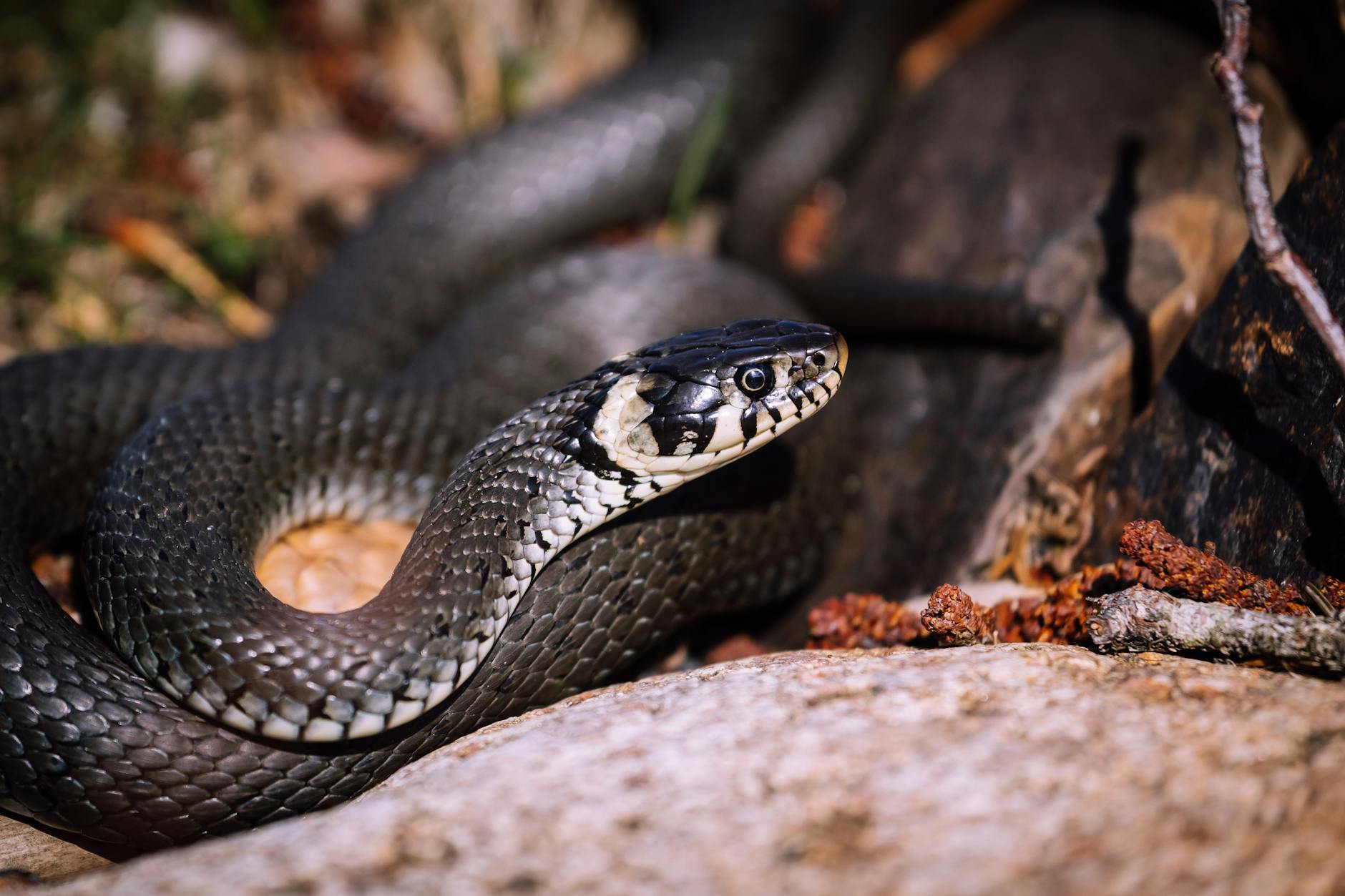
Last week, I went on a trail ride with my pony, and she suddenly stopped dead before a tree line on our way home. It was strange! This was the same path we’d taken many times before. My first instinct was to ask her forward again, assuming she was just being resistant or distracted.
But something in her energy felt different. It wasn’t defiance. It was concern. So instead of pushing her on, I paused, took a breath, and tried to see what she was seeing.
A moment later, I spotted it! A massive red-belly black snake lying curled up near a tree, right where she’d refused to go. She had sensed danger long before I did.
I let her take the lead and clear the path. She navigated calmly and confidently, watching every step.
What could have turned into a dangerous situation instead became a reminder of why we listen first, lead second.
Our horses are aware of far more than we realise. When we trust their instincts as much as our own, partnership takes on a whole new meaning.
What Your Horse Might Be Trying to Tell You
Here are some common “training fails” and what they often mean underneath:
- “I’m confused.”
➜ The task changed too fast, or cues are inconsistent. Simplify, slow down, and reward earlier. - “I’m scared.”
➜ The pressure, environment, or expectation feels too much. Remove intensity, not connection. - “I’m sore.”
➜ Behaviour changes can signal pain. Check saddle fit, feet, or body comfort before retraining. - “I’m shut down.”
➜ The horse has learned that nothing they do brings release. Start with tiny, achievable asks and instant rewards.
Listening to these messages means you’re training the whole horse – body, mind, and emotion – not just their movements.
How to Rebuild Communication
When things fall apart, you don’t need to start over – just start smaller.
Try this 3-step reset:
- Stop & Reset. Take the pressure off without walking away. Give space to breathe.
- Observe. Notice the small tries – a lick, a blink, a shift of weight. That’s your entry point.
- Reconnect. Re-ask the question softer, with clearer timing and energy.
When your horse realises that their smallest effort earns understanding, they’ll begin to offer more.
Progress Isn’t Linear – It’s a Conversation

The truth is, every moment of “failure” is an opportunity to listen more deeply.
Your horse’s resistance isn’t rejection. It’s feedback.
It’s their way of saying, “This doesn’t feel right yet.”
Progress in horsemanship isn’t measured in straight lines; it’s a spiral of awareness, learning, and reconnection. The more we listen, the shorter those spirals become.
At EquiKinder, we don’t chase obedience. We build understanding – one small conversation at a time. 💜
If your horse’s training has hit a wall, it’s not the end – it’s an invitation.
Book a free meet-and-greet at the Mid North Coast (NSW) to discover what your horse might be trying to tell you.
EquiKinder by Lisa Rothe – Where Horsemanship Meets Personal Growth
Have Any Questions?
Join our monthly Q&As
Discover more from EquiKinder by Lisa Rothe
Subscribe to get the latest posts sent to your email.
