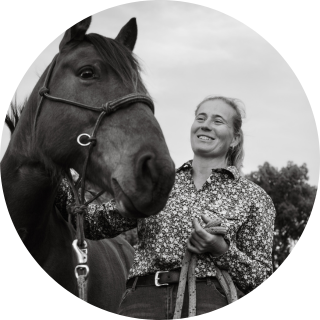
Every horse owner knows that moment when things almost click – the flick of an ear, the soft exhale, the single step forward. It’s not perfection; it’s possibility.
At EquiKinder, I call that moment the Try – the instant your horse begins to search for connection. When you notice it, reward it, and build on it, you create the foundation for confidence and partnership.
Let’s explore why seeing the Try changes everything about how we train, how we communicate, and how our horses feel around us.
Understanding the Try
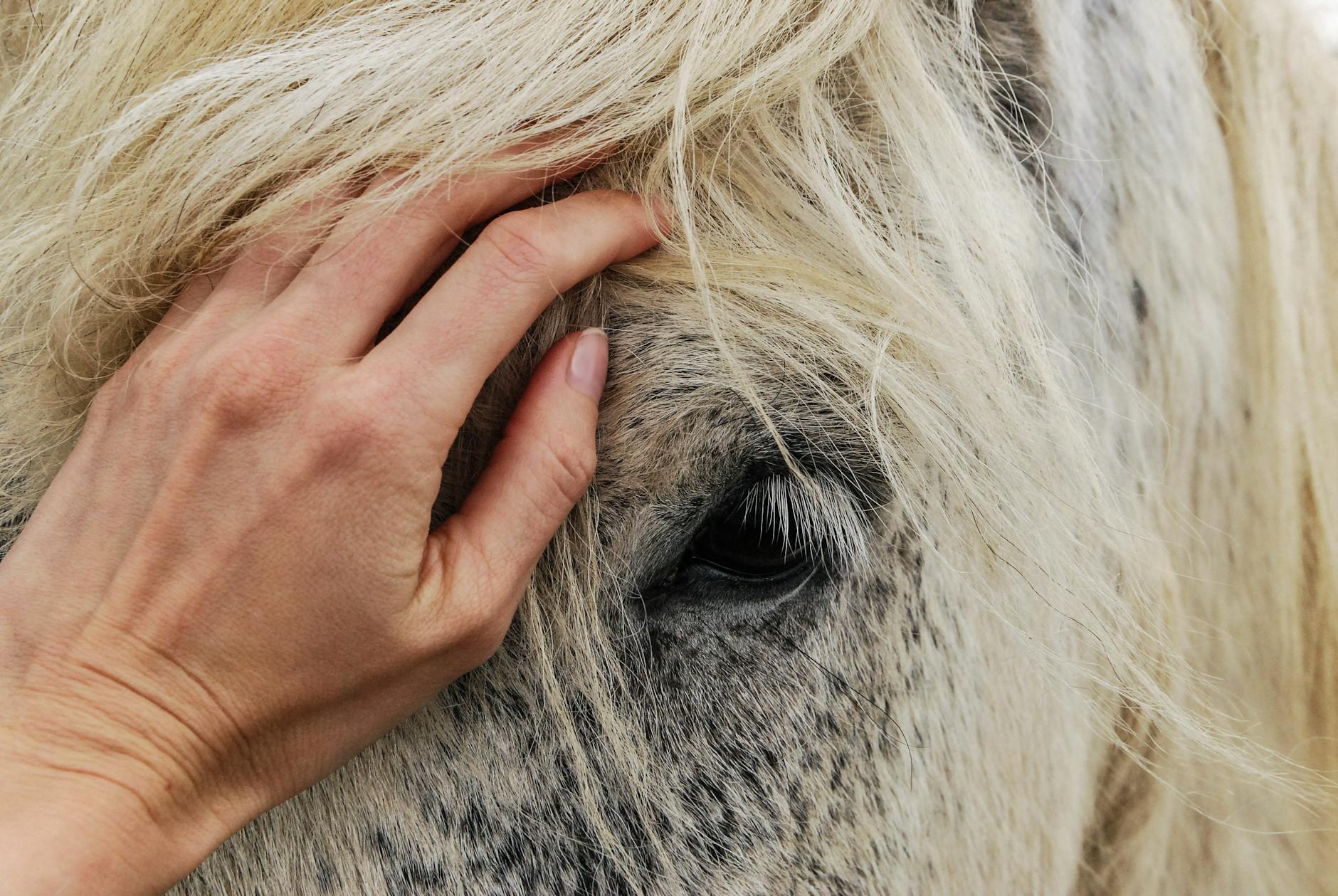
Horses learn through feel and timing. When they’re curious, they’ll test small ideas – shift weight, lick, blink, or lean toward pressure. Those are micro-moments of learning, the horse’s version of asking a question.
Traditional training often rushes past those moments, waiting for the “finished” behaviour before releasing pressure. But horses don’t learn from perfection, they learn from release.
When we release at the first sign of the Try, we tell the horse: “Yes, that’s it – you’re on the right path”. Over time, the Try becomes confidence, and confidence becomes willingness.
How to Recognise It
Every horse shows Try differently.
- A forward horse might slow down to think.
- A nervous horse might finally take one deep breath.
- A pushy horse might soften through the lead rope instead of leaning.
The key is to watch for curiosity instead of obedience.
Ask yourself:
“Is my horse reacting or responding to me?”
When you reward that first spark of mental connection, by softening your energy, releasing pressure, or simply stepping back, you teach your horse that communication is safe.
Rewarding the Try
Reward doesn’t have to mean treats (though that can help). In true feel-based horsemanship, the best reward is timing.
Release immediately when you feel the horse think toward the answer. Pause. Let the nervous system settle. That pause says: “I see you. You’re safe to explore”.
Consistent, well-timed release rewires both of you: the horse learns that effort matters, and you learn to stay present enough to notice.
Rebuilding Trust Through Light Pressure and Release
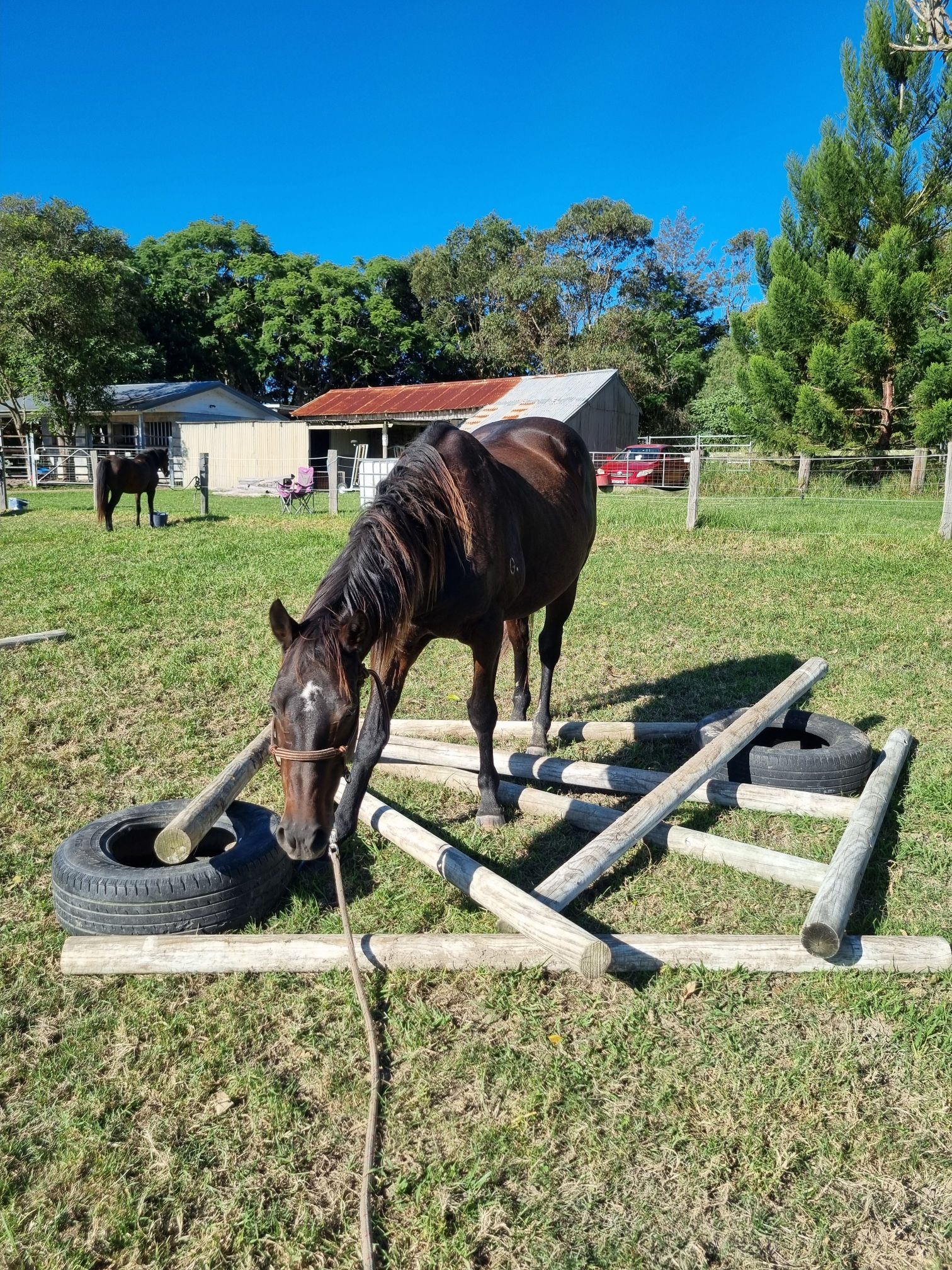
One of the horses I worked with – a sensitive off-the-track gelding – had learned to wear the pressure. If you asked for movement, he’d freeze; if you insisted, he’d explode.
Instead of driving him forward, we slowed the conversation. The first time he simply shifted his weight when I lifted the lead rope, I released. He blinked, licked, and breathed out for the first time that day.
Within a week, he was backing off softly from the lightest cue. His body changed, but more importantly, his expression changed – ears forward, eyes soft.
He’d learned that he could try without fear.
Partnership Over Performance
It’s easy to get caught chasing milestones: the perfect circle, the square halt, the show result. But partnership grows in the messy, in-between moments -the ones nobody claps for.
Performance built on pressure is fragile; performance built on trust is sustainable.
When you train with empathy, every success becomes shared. You’re no longer the teacher and the student, you’re two beings learning to move together.
Why Small Wins Matter
Neuroscience backs this up. Small, frequent releases trigger dopamine, the feel-good chemical linked to motivation and memory. That’s why celebrating small wins keeps your horse interested in learning.
Emotionally, it works for you, too. When you stop measuring progress by perfection, you start enjoying the process again. Training becomes collaboration, not correction.
So the next time your horse hesitates, instead of pushing harder, pause and ask:
“What can I reward right now?”
That single thought changes everything.
How to Practice Seeing the Try

Here’s a simple exercise you can use this week:
- Choose one task your horse already understands, like backing up or yielding the hindquarters.
- Slow your request. Use half the pressure you normally would.
- Wait for the smallest sign of thought – a blink, ear flick, muscle shift.
- Release immediately. Step back, breathe, and let it soak in.
Repeat three times, then walk away. End before your horse feels finished. The goal is not obedience; it’s understanding.
A New Definition of Progress
Progress isn’t how perfect your horse moves. It’s how freely they offer.
At EquiKinder, I teach riders and owners to see those small offerings as the language of trust. Because when you build training on softness instead of force, everything changes: your timing, your confidence, and your relationship.
Each try your horse gives is an opportunity to answer with kindness.
If you’d love to experience this approach in person, book your free meet-and-greet at the Mid North Coast (NSW). We’ll talk about your horse, your goals, and what “seeing the try” could look like for you.
EquiKinder by Lisa Rothe – Where Horsemanship Meets Personal Growth
Have Any Questions?
Join our monthly Q&As
Discover more from EquiKinder by Lisa Rothe
Subscribe to get the latest posts sent to your email.

One thought on “The Power of the Try: How Small Wins Build Big Trust”