Helping a Shutdown Horse
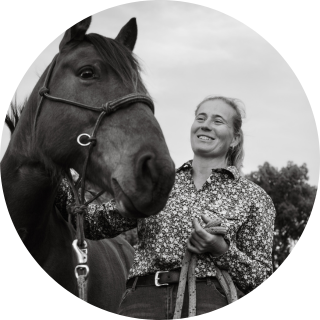
This session is rider coaching in real time. I’m guiding Freya to read the horse and to notice her own body in space. We treat pressure and release as a shared language: a dance of ask, answer, and pause. Feel is how we listen; timing and clarity are how we speak. We practice owning space without force and yielding without collapse. The goal is simple: connection before control.
We explore how to spot the horse’s “questions,” hold your ground with softness, and reward the smallest try so calm movement grows.
🧭 In this episode, you’ll learn how to:
- Reading asks vs. avoidance in real time
- Owning space: plant feet, send, block safely
- Pressure–release as language: when to add, when to soften
- Micro-releases that build confidence
🎯 Why it matters:
Clear timing and spatial awareness create two-way communication, nervous-system safety, and learning that sticks.
🎥 No quick fixes. No fancy edits. Just real-time, honest horse training.
📍 Filmed on the Mid North Coast of NSW, Australia.
🔔 Subscribe to follow Sally’s training journey and learn alongside us.
Our First Sessions Set the Tone for How We Work
Those first sessions with Sally mattered because they set the social contract for everything that followed. We went slow on purpose: offering agency, noticing her questions, and releasing on the smallest try so she learned that communication works better than shutdown. Pressure and release became our shared language, so she could express uncertainty without needing to flee or freeze. When a horse discovers their voice is heard, the body softens, attention stays with the handler, and learning gets sticky. That foundation of choice over compliance is what makes later “skills” feel simple.
Saddling Without Brace: Pause & Breathe
Saddling isn’t something we do to the horse; it’s a confidence exercise we do with them. I pause a hole sooner, invite lowering the head, wait for a breath, and only then continue, because those micro-releases teach the horse that their feelings matter. When we notice brace and check in, girthing becomes a predictable, respectful rhythm instead of a surprise. Curiosity replaces tension, and the horse learns to stay present through the process. Over time, that approach dissolves “cinchy” patterns and builds a horse that meets the saddle with confidence, not coping.
Coaching Feel: Trust Your Timing, Not Perfection
Here I’m holding space for Freya to find her own timing rather than jumping in with more instruction. She felt the change and stopped, and I simply confirmed that I would have released there too. Because trusting your gut is how feel is born. When riders learn to notice the subtle try and mark it with release, clarity grows on both ends of the lead rope. That internal reference “I can feel it and act on it” is more valuable than any step count or perfect pattern. Technique matters, but timing and feel are what make technique refined and effective.
Building Trot From Energy, Not Equipment
Before we ask for trot, we become trot. Lifting our own rhythm with a quiet “one–two” count so the body leads and the tools only back it up. This keeps the horse in conversation with us, instead of bracing against a cue they don’t understand. Guiding energy up and then back down to walk without losing connection teaches regulation, not reactivity. It also shows the rider that intention and cadence can be clearer than bigger pressure. The result is a soft, confident transition that feels like a shared decision, not a forced change.
Have Any Questions?
Join our monthly Q&As
Discover more from EquiKinder by Lisa Rothe
Subscribe to get the latest posts sent to your email.
