Because how we treat riders is just as important as how we treat horses.
When “Just Do It” Doesn’t Feel Right
There’s a moment many riders remember: when something felt off, but they went along with it anyway. Maybe they were nervous. Maybe the horse was, too. But the trainer said, “Just do it.” So they did.
This guide is for teen riders and parents to give you clear language, knowledge, and confidence to recognise when something isn’t right. It’s here to help you understand common red flag behaviours in horse riding lessons, especially those that often go unnoticed or unspoken.
It’s also for instructors who care deeply, but may not realise how certain patterns of behaviour or language can impact a rider’s confidence or a horse’s wellbeing.
This post isn’t about blame. It’s not about calling anyone out. It’s about shining a light on the subtle and sometimes not-so-subtle red flags that still show up in horse riding lessons today, especially with children and teens. From pressure to perform to ignoring discomfort or fear, these patterns can leave lasting marks on both horse and human.
Whether you’re a parent, a teenage rider, or a coach who wants to do better this is your reference point. A way to name what doesn’t always get talked about. Because when a rider is taught to override their instincts in the arena, they often learn to ignore them elsewhere, too. And when a horse is pushed past their limit, it’s usually because the rider was, too.
Why Red Flags Matter in Riding Instruction
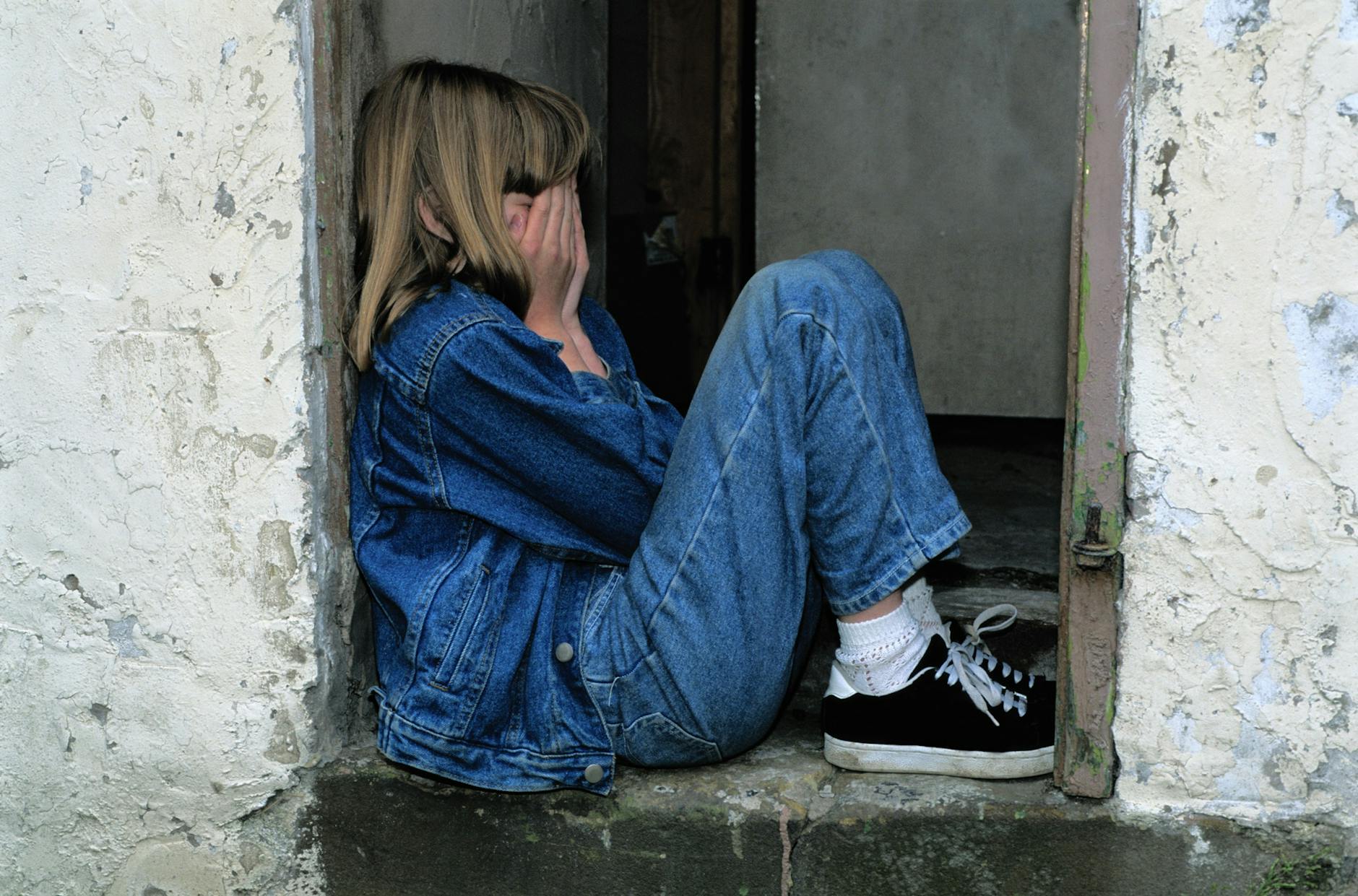
Riding instructors hold a position of authority. One that carries weight, especially when guiding children and working with sensitive animals like horses. In this dynamic, there’s often an unspoken power chain:
TRAINER > CHILD > HORSE
And when that power is misused, even subtly, it’s the most vulnerable who pay the price.
Red flags in riding instruction aren’t always loud or obvious. They’re often subtle. A phrase. A look. A moment when a child doesn’t feel safe. Or a horse’s distress is labelled disobedience. One comment alone might not raise alarm, but over time, these patterns lead to lost confidence, fear, and quiet compliance in both rider and horse.
Recognising red flag behaviour in horse training and lessons is the first step to protecting our children, supporting our horses, and shaping an equestrian culture built on trust, empathy, and safety.
10 Red Flag Behaviours to Watch for in Riding Instructors
When it comes to horse riding lessons, the behaviour of the instructor matters just as much as the techniques they teach. These red flag behaviours often show up in subtle ways through pressure, dismissal, control, or emotional suppression. Whether you’re a parent, a teen rider, or a concerned observer, learning to recognise these warning signs can protect both the rider’s confidence and the horse’s welfare.
This guide outlines 10 common red flag behaviours in riding instructors, how they might appear in real lessons, and why they matter. From prioritising performance at all costs to dismissing fear or using shame, these patterns can have lasting effects on the wellbeing of both horse and human. Awareness is the first step to creating a safer, more supportive equestrian culture for everyone – including our horses.

Overriding Fear or Emotional Discomfort
What it looks like
A rider shows clear signs of fear, hesitation, or emotional overwhelm, and the trainer encourages them to proceed without pause, reflection, or emotional support. Discomfort is treated as something to overcome immediately rather than something to understand.
Why it matters
This teaches riders to suppress valid emotions and ignore their nervous system responses. Instead of learning how to regulate their fear, they learn to bypass it, often at the expense of their safety and self-trust. Long-term, this can lead to anxiety, trauma, or total shutdown around riding.
Shaming or Mocking Riders in Front of Others
What it looks like
A rider is criticised, laughed at, or made to feel small in response to emotional expression, mistakes, or difficulty. Feedback is delivered in a way that embarrasses rather than supports.
Why it matters
Public humiliation (even subtle) crushes confidence and makes riders afraid to be seen learning. It discourages vulnerability and encourages performance masks. Over time, it fosters perfectionism, anxiety, or emotional withdrawal.
Forcing Use of Tools or Techniques That Feel Wrong
What it looks like
A rider expresses hesitation or discomfort using a particular aid or training technique, and the trainer insists they do it anyway without offering alternatives or explanation.
Why it matters
This creates deep internal conflict, especially in sensitive or ethical riders. They’re left feeling guilty, ashamed, or confused, especially if their horse reacts poorly. Over time, they may stop trusting their own instincts or lose confidence in their ability to advocate for the horse’s well-being.
Turning Training Into a Power Struggle
What it looks like
The trainer interprets a horse’s resistance as a challenge to authority, and encourages the rider to assert dominance or control instead of exploring the horse’s behaviour or emotional state.
Common phrases: “Don’t let him win.” / “Show him who’s boss.” / “He’s testing you.”
Why it matters
This mindset breeds tension rather than trust. It teaches riders that their role is to dominate, not connect, which often results in resistance, confusion, or shutdown in both horse and rider. It discourages curiosity, softness, and empathy – the very tools needed for partnership.
Treating the Horse or Rider as a Problem to Fix
What it looks like
The trainer approaches training as if the horse or rider is broken and needs to be “corrected.” Language centres around fixing faults rather than building skills or understanding what’s causing the issue. Progress is framed as eliminating the problem quickly rather than working through it with patience and nuance.
Why it matters
This mindset undermines the confidence of both horse and rider. It discourages curiosity, reduces the learning process to outcomes, and often results in pressure-heavy methods. Riders may internalise shame or feel like they are failing if they don’t improve immediately. Or worse, believe their horse is inherently flawed.
Making Big Promises in a Short Time
What it looks like
The trainer guarantees fast results with the horse or rider, often stating they’ll “sort it out” in a matter of days or sessions. There’s little focus on the long-term process, growth, or the emotional and physical readiness of either party.
Why it matters
This sets unrealistic expectations and creates pressure to “improve” quickly, which can compromise welfare, learning, and safety. It often leads to disappointment, rushed methods, or even blame when timelines aren’t met. All of which erode confidence and connection.
Taking Over to Show Off
What it looks like
The trainer takes over by riding the horse without offering clear explanation or involving the rider in the problem-solving process. The focus becomes showing what the trainer can do rather than helping the student learn how to do it.
Why it matters
This makes the session about the trainer’s skill, not the student’s learning. It can leave the rider feeling ashamed, disempowered, or even more confused about what went wrong. The horse may also become stressed from conflicting cues between rider and trainer.
Labelling the Horse Instead of Listening
What it looks like
The horse is categorised as lazy, stubborn, or difficult, and the trainer does not explore possible causes such as confusion, pain, or emotional stress. The focus remains on control rather than understanding.
Why it matters
This approach shuts down the rider’s ability to stay curious and observe. When labelling replaces listening, horses are punished for being confused, in pain, or scared. It also freezes the horse’s identity, turning them into a problem to be managed, rather than a sentient being capable of growth and change. Over time, this mindset can lead to a sense of disposability, where horses are seen as tools to replace rather than partners to support.
Using Force or Ignoring a Horse’s Distress
What it looks like
The horse shows visible signs of stress or discomfort, such as resistance, tension, or avoidance, and the trainer instructs the rider to continue applying pressure or ignore the behaviour entirely.
Why it matters
This models a “make it happen” mentality. Riders learn to prioritise control over communication and compliance over welfare. It can cause horses to become reactive, fearful, or shut down entirely, and it erodes the relationship between horse and human.
Prioritising Performance at All Costs
What it looks like
The trainer focuses heavily on results, competition, or visible progress, even when the rider is emotionally unready or the horse is physically or mentally fatigued. The pace of training is driven by external outcomes rather than internal readiness.
Why it matters
This teaches that results matter more than readiness, consent, or emotional well-being. Riders learn to measure success by speed and performance rather than connection or growth. It often leads to burnout, injury, or a loss of passion for the sport.
Want a simple, visual version of this list to print or share?

What Safe, Supportive Instruction Looks Like
Good instruction doesn’t mean soft instruction. It means attuned instruction.
A safe, ethical trainer is someone who:
- Listens to the rider and the horse with the same level of curiosity
- Asks questions, rather than assuming
- Individualizes their approach to each horse-rider pair
- Welcomes emotion and feedback, instead of shaming it
- Respects boundaries – physical, emotional, energetic
- Takes time, instead of rushing toward a result
- Teaches from experience, not ego
- Seeks understanding, not control
- Values the process, not just the performance
These are the instructors who empower riders to trust themselves. Who model how to train with kindness, not force. Who build confidence from the inside out and invite the horse into the learning process too.
Prefer a positive checklist?
To Parents and Young Riders: Your Voice Matters
If something feels wrong in a lesson, it probably is!!! You’re allowed to ask questions. You’re allowed to walk away. You’re allowed to protect your child’s trust in horses and their trust in themselves.
Because in the end, the goal isn’t obedience.
It’s confidence.
It’s curiosity.
It’s connection.
Let’s raise riders who listen to their gut and horses who are safe to “speak up”.
Written by Lisa I Founder of EquiKinder (with the help of AI) – Safely Guiding Young Riders Every Step of the Way.
Discover more from EquiKinder by Lisa Rothe
Subscribe to get the latest posts sent to your email.
